Understanding Spirituality: A Guide to Its Impact on Mental Health
Spirituality By Supreet KaurHumans are born with so many questions, but do we really acknowledge them? In this article, we are going to address many aspects related to ourselves that we often tend to ignore — whether it is self-doubt, questioning the world around us, or dealing with mental stress. This piece aims to help you find answers to the questions your mind constantly wonders about and your consciousness often overlooks.
What is Spirituality?
We often hear the word — or rather, the very trendy term right now — spirituality. But what exactly is it? Where is it derived from? And have you ever wondered why it still holds relevance today?
The word “spirituality” derives from the Latin spiritus (breath, spirit, soul), rooted in spirare (to breathe), signifying the animated and vital principle of life.
With the rise of social media, spirituality initially appeared as a trend. However, as it gained popularity, our curious minds pushed us to explore it more deeply. Today, most of us have at least a basic understanding of what spirituality means. And for those who still feel confused — no worries.
At its core, spirituality reflects our relationship with ourselves and with others. It acknowledges a greater purpose and allows us to learn and grow. It is about aligning the mind and body, and believing that everything carries meaning. Once that purpose is fulfilled, we learn to detach — whether from people or material things.
Spirituality can be cultivated in many ways, and it supports us in more ways than we often realize — which we will explore further in this article.

Spirituality vs religion
We often confuse the concept of spirituality with religion. They both have common grounds, but they are not synonyms of each other. Religion is something that is infused into us after we are born; on the other hand, most of us are born with spiritual qualities. If we do a comparative analysis, religion has a set of rules, and we are accountable to “God” or, as they say, somebody. On the other hand, being on the path of a spiritual journey means we have to do good deeds. There are no certain rules, and we are answerable to nobody but ourselves.
How spirituality can be attained
If one decides to go on a spiritual journey, then a lot of doors open for them to grow and evolve. Some of the ways through which you can start practicing spirituality are:
Journaling – Writing down your thoughts and opinions to make clearer decisions in your mind.
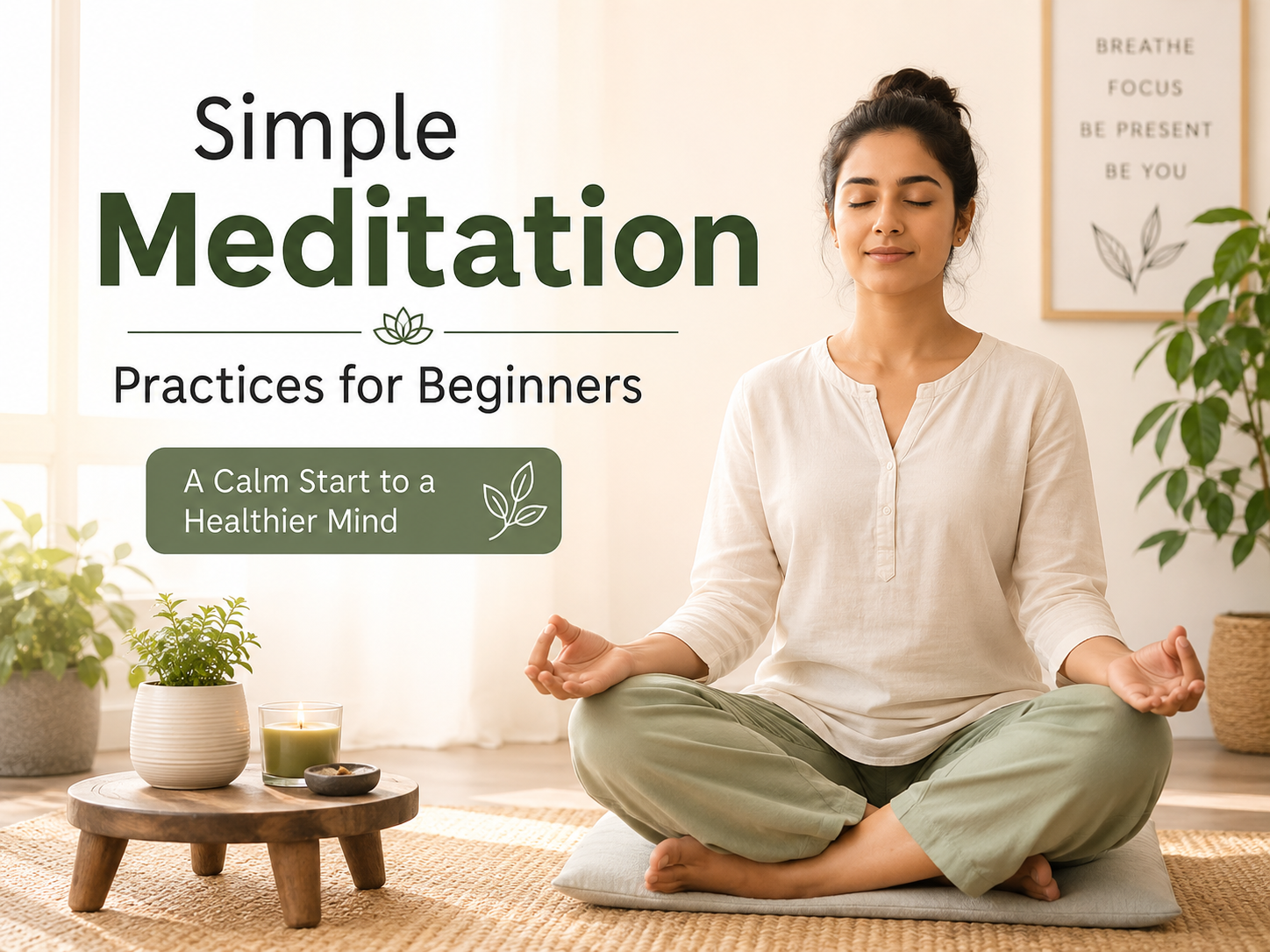
Practicing mindfulness – Learning to sit in silence for 5–10 minutes daily and focusing on your breath and thoughts without making any judgments.
Connecting with art – Trying to find your interests in fields related to art, be it dance, writing, singing, or painting. It helps people observe things from different perspectives.
Balancing spirituality with practical mental health – Learning to be more aware of your reactions and actions, taking accountability, not denying your emotions, and facing situations instead of escaping them.
Finding meaning in ordinary things – Instead of seeing every situation through the same lens, trying to identify and analyze it, and creating a learning outcome from it.
How spirituality helps mental health
Spirituality helps in maintaining healthy mental well-being in many ways. It does not take us out of a situation, but it helps us deal with it in a better way by encouraging us to focus on our emotions and reactions. This makes us more aware externally, and instead of constantly complaining or breaking down, it helps us understand what the situation is teaching us. We begin to draw lessons for the future and keep ourselves in check. Moreover, as our stress continues to escalate, we often need a healthy form of escape to return to reality with clarity — and that is where spirituality provides a broader perspective.
However, if a situation is serious, we should not rely solely on spirituality. It is important to seek professional help when needed. Mental health professionals guide us in reconnecting with ourselves and provide practices that focus on both our conscious and subconscious mind.
How meditation helps in spiritual growth
Meditation in itself requires a lot of patience to practice. Once you have learned to sit in peace and meditate for a certain amount of time, you have already done half of the work. Meditating regularly helps regulate your emotions and allows you to become less reactive and more reflective. When you meditate, it encourages you to observe your thoughts more deeply. As a result, you learn to control them instead of letting them control you.
In short, meditation helps you experience life in a better way — with greater purpose, awareness, and balance.
If you want to start learning more about spirituality or need a helping hand to understand yourself better, these are the four books you can begin your spiritual journey with.
Top books to read to learn more about spirituality:
1. The Four Agreements by Don Miguel Ruiz – This book argues about the idea of our conscious and unconscious thoughts , it explains that how we can transform our life by limiting our suffering that comes from our self limiting beliefs and unconscious agreements.
2.A New Earth by Eckhart Tolle – This book talks about our ego , how ego lets us loose so many things and how it is the root cause of so much of our sufferings and once we identify this , how we can further move into our life.
3.The Heartfulness Way by Kamlesh D. Patel and Joshua Pollock – If you’ve gained the theoretical knowledge and are now looking for practical habits to calm your mind and control your actions, start reading The Heartfulness Way. It helps you regulate your emotions through a meditation-based system.
4.Inner Engineering: A Yogi’s Guide to Joy – If you are looking for a guide to attain inner peace or wants to get motivated from someone’s else life then this book is the ultimate answer to all your queries , this book blends philosophical insights , personal stories and practical tools to help readers cultivate joy from within and leave the materialistic possessions.
Conclusion
Spirituality plays a significant role in shaping our inner lives, and it is important to understand that spirituality and religion, although connected, are not the same. In a world that constantly demands our attention outward, we must begin turning inward — educating ourselves, becoming more conscious of our choices, and nurturing our inner world. It is high time that we prioritize mental health with the same seriousness as physical health. By embracing awareness, responsibility, and compassion, we can help not only ourselves but also create a more understanding and emotionally healthy society.