Where to Start: Reducing Screen Time for a Balanced Life?
Balancing screen time and real life is about optimizing technology without losing our mental, physical, and emotional health. By setting boundaries, practicing mindfulness, learning new skills and choosing people over pixels, we can survive in the digital world without getting consumed by it.What happens when you are constantly on screen?
 First, let’s understand why balancing screen time matters.
As per the guidelines of The World Health Organization (WHO) average screen time of a teenager for recreational activity (non-school) should be 1-2 hours/day. But in reality, many studies show that the average screen time of a 14-year-old is about 7-8 hours/day. This includes phones, tablets, TVs, video games, etc.
Too much screen time has led to early vision problems, poor sleep quality, and constant anxiety. Users check their phones every few minutes leading to depression and reduced physical activity.
First, let’s understand why balancing screen time matters.
As per the guidelines of The World Health Organization (WHO) average screen time of a teenager for recreational activity (non-school) should be 1-2 hours/day. But in reality, many studies show that the average screen time of a 14-year-old is about 7-8 hours/day. This includes phones, tablets, TVs, video games, etc.
Too much screen time has led to early vision problems, poor sleep quality, and constant anxiety. Users check their phones every few minutes leading to depression and reduced physical activity.
Health issues due to excessive screen exposure
Excessive exposure to digital screens leads to back pain and cervical issues due to poor posture. It affects our overall ability to make effective decisions and use our minds to their full potential. Screens have a wide range of cognitive consequences, both beneficial and damaging. Access to digital tools provides early access to information and skill development. For many students, virtual classrooms are more engaging than traditional classrooms. However, problems arise when screen time becomes excessive and is saturated into fragments. The constant switching from messaging, lectures, and games confuses the mind.What is the result of excess screen time?
It becomes difficult to focus deeply, impacts the overall performance, and constant overload exhausts the brain. As a result, students may struggle with concentration, time management, problem-solving, and decision-making. Over time, diminished cognitive control negatively affects academic performance. While the screen is a powerful tool, its outcome depends on controlled exposure rather than mindless scrolling.Signs you are overdoing it
Although we would never associate feeling restless with excessive screen time, here are some warning symptoms:- Feeling mentally exhausted, anxious, or low despite being constantly “connected.”
- Frequent headache and migraine.
- Losing concentration or being unable to focus.
- A constant urge to check notifications every few minutes.
- Mindless scrolling.
Effective Strategies for Reducing Screen Time: The digital detox
-
Setting clear boundaries
-
Practicing mindfulness
- Why am I opening my screen?
- For how long will I be using this?
-
Self-Control
-
Create phone-free zones/spaces
-
Replace screen time with fun activities
- Learning new skills and hobbies
- Spending time with family and friends
- Connecting with nature
- Create a list of your goals
-
Not using phone before bed
How long do screening hours affect the Brain?
Too much screen time is now a flex for the new generation. Watching long YouTube videos, playing online games, and texting continuously are deteriorating our mental health. Counselors suggest taking care of our eyes to ensure overall brain health. To prevent eye strain throughout the workday, The American Academy of Ophthalmology recommends the 20-20-20 rule for adults who work on a computer. This rule suggests that individuals look at something 20 feet away for 20 seconds every 20 minutes of the day. Another study found that adults who watched television for five hours or more per day had an increased risk of developing brain-related diseases like dementia, stroke, or Parkinson’s. Reducing screen time isn’t about rejecting the technology; it is about protecting oneself from getting consumed and controlled by it. STOP CONSUMING, START PRODUCINGTop 5 Watches of 2026: Where Craftsmanship, Fashion, and Time Converge
There was a time when people purchased watches solely to tell time. Those days are long over. Today, in the year 2026, a watch is a statement of one’s taste, discipline, and sometimes even philosophy. In an era when smartphones display time more accurately than anything else, people are still shelling out big bucks for watches. Not because they need them, but because they want them. The watch industry in 2026 is a very well-balanced one. Excess has been replaced by heritage. And functionality is back in vogue. Whether it is a legendary luxury brand or a value-for-money brand, 2026 has some of the best-designed watches in years. Here are the Top 5 Watches of 2026, selected not for publicity alone, but for relevance, performance, and the simplest question every consumer asks: Would I actually wear this?Top 5 watches that will define style, innovation, and prestige
In the year 2026, watches are no longer about keeping up with trends but about making a choice that lasts forever. These five watches symbolize confidence, skill, and emotional value in a rapidly moving digital age.Rolex Submariner Date: The Benchmark That Refuses to Age

Rolex Submariner Date
Some watches aren’t trend-followers. They set the trend. The Rolex Submariner Date is just that in 2026. It is still the watch that comes to mind when one hears the phrase “luxury sports watch.” The design hasn’t evolved significantly—and that’s the idea. Rolex knows that perfection doesn’t need improvement. The current Submariner is a perfect blend of strength and elegance. It looks as at home under a dress shirt as it does on a weekend diving excursion. The motion is precise, the quality is beyond question, and the resale value is one of the strongest in the business. This is not an experimental watch. This is a confident watch. If you want a watch that will last for decades, see through fashion trends, and still look right at every point in your life, the Submariner remains the safest – and smartest – choice.Omega Seamaster Diver 300M: Technical Excellence With Character
 Where the Submariner is restrained, the Omega Seamaster Diver 300M is an expression.
Omega has been honing this watch over the past few years, and it is finally ready in 2026.
The ceramic bezel, wave pattern dial, and helium escape valve give it a personality that is distinct from its peers.
What truly sets it apart, however, is what’s inside. The Master Chronometer movements from Omega are highly resistant to magnetism, which is a useful feature in a digital-saturated world.
The Seamaster isn’t trying to be subtle. It’s confident, capable, and just a little bit bold.
Where the Submariner is restrained, the Omega Seamaster Diver 300M is an expression.
Omega has been honing this watch over the past few years, and it is finally ready in 2026.
The ceramic bezel, wave pattern dial, and helium escape valve give it a personality that is distinct from its peers.
What truly sets it apart, however, is what’s inside. The Master Chronometer movements from Omega are highly resistant to magnetism, which is a useful feature in a digital-saturated world.
The Seamaster isn’t trying to be subtle. It’s confident, capable, and just a little bit bold.
Tudor Black Bay Fifty-Eight: Understated, Thoughtful, and Brilliant
 There are few watches that have gained as much quiet respect as the Tudor Black Bay Fifty-Eight.
At 39mm, it wears exactly as a watch should. Not too big. Not trying too hard. Just right.
The vintage-inspired design, clean dial, and warm details make it one of the most wearable watches of the year 2026.
It provides real in-house mechanical performance without venturing into the uncomfortable price zone.
For many collectors, this becomes the watch they wear most.
There are few watches that have gained as much quiet respect as the Tudor Black Bay Fifty-Eight.
At 39mm, it wears exactly as a watch should. Not too big. Not trying too hard. Just right.
The vintage-inspired design, clean dial, and warm details make it one of the most wearable watches of the year 2026.
It provides real in-house mechanical performance without venturing into the uncomfortable price zone.
For many collectors, this becomes the watch they wear most.
Audemars Piguet Royal Oak: When Design Becomes History
 There are watches that tell time, and then there are watches that change industries.
The Royal Oak is one of the most influential watch designs ever created, and the demand for it remains intense.
It has been conceived as a trend-setting watch since the 1990s. The watch targets the younger, adventurous generation. The earthquake it created in the market is synonymous with its extravagance. Even though the watch market was outraged, younger enthusiasts quickly embraced it.
There are watches that tell time, and then there are watches that change industries.
The Royal Oak is one of the most influential watch designs ever created, and the demand for it remains intense.
It has been conceived as a trend-setting watch since the 1990s. The watch targets the younger, adventurous generation. The earthquake it created in the market is synonymous with its extravagance. Even though the watch market was outraged, younger enthusiasts quickly embraced it.
Rolex GMT-Master II, Green Dial Watch

Rolex GMT-Master II, Green Dial Watch
The Rolex GMT-Master II represents travel, ambition, and the movement of time zones. This is a limited edition flagship green-dial Rolex luxury model with dual-time function and striking green ceramic dial.Time, Chosen Wisely
In 2026, the choice of a watch is no longer a statement of status or showmanship. It is a statement of purpose. Each watch on this list embodies a different relationship with time — the Submariner’s immutability, the Seamaster’s accuracy, the Black Bay’s modesty, the Royal Oak’s boldness, the GMT-Master’s itinerancy, the Presage’s sincerity, and the Tank’s eternal decorum. These are not purchases to be made on impulse. These are choices that will accompany you through your professional and personal journeys, through your adventures and your still moments.Glow the Ayurvedic way: Simple skincare rituals for your skin
Your glow doesn’t come from products… it comes from rituals. What if the secret to glowing skin has been sitting in your kitchen all along?
Some mornings, my grandmother would stand by the window, crushing fresh neem leaves between her palms. The sun poured in, the room smelled like the earth after rain, and she would look at me with a smile that said, “Trust nature, it knows what to do.” Back then, I didn’t understand why she insisted on smearing turmeric paste on my breakouts or making me rinse my face with rose water before school. Today, when my skincare shelf is overflowing with serums, acids and creams with names I can’t pronounce, I find myself returning to those same simple rituals she once tried to teach me.
Cleansing with intention
Ayurveda isn’t just a wellness trend. It’s a 5,000-year-old science of understanding you — your body type, your skin type, your emotional tendencies and building a routine that supports harmony, not perfection. And maybe that’s why Ayurvedic skincare feels so comforting. It doesn’t promise unrealistic glass skin; it promises healthy, calm, nourished skin, the kind that glows because you feel good from within. Here’s a gentle, human, everyday guide to skincare inspired by Ayurveda — the way our older generations practiced it, not in fancy bottles, but in everyday moments. Its not about removing dirt, it’s about removing stagnation, the tiredness your skin carries from the day. Instead of harsh foams, Ayurveda recommends gentle natural cleansers:- Gram flour (besan) mixed with a bit of milk
- Neem powder for acne-prone skin
- Raw honey for dullness or inflammation
Abhyanga : a ritual that feels like a warm hug
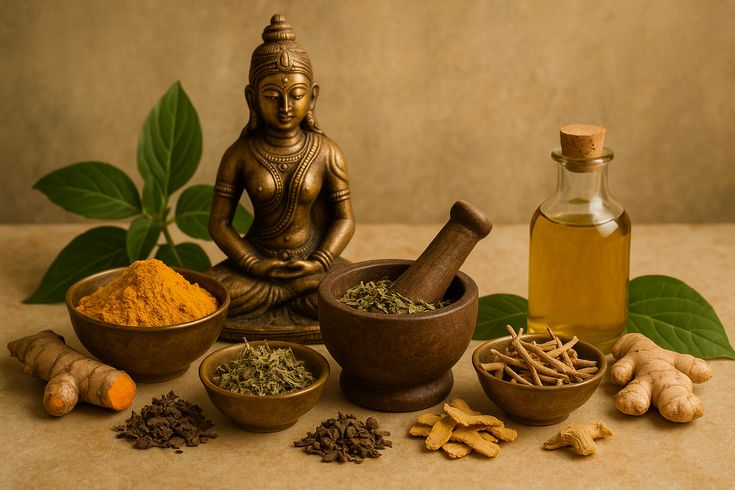
If there is one Ayurvedic skincare practice that feels like magic, it’s Abhyanga, the art of warm oil massage. It improves circulation, softens the skin, balances the nervous system, and gives you the kind of glow that no highlighter can mimic. You don’t need expensive oils. Ayurveda loves simplicity:- Sesame oil for dry, rough skin
- Coconut oil for heat-prone, sensitive skin
- Almond oil for nourishment and radiance
- Turmeric + milk + rice flour → for glow and pigmentation
- Multani mitti + rose water → for oily, acne-prone skin
- Mashed banana + honey → for hydration
- Sandalwood + aloe gel → for calming redness
Eating & sleeping for your skin — the ritual people forget
Ayurveda believes your skin is not a surface; it is a reflection. What you eat shows up on your cheeks long before it shows up on your waistline. When digestion is calm, the skin is calm. When digestion struggles, so does the skin. My grandmother always said, “Good skin is cooked in the stomach, not bought in a store.” And she wasn’t wrong. For glowing skin:- Warm water throughout the day
- Ghee in small amounts
- Seasonal fruits
- Turmeric and cumin in meals
- Avoiding too much cold food, which disrupts digestion
- Sip warm milk with a pinch of nutmeg
- Avoid screens for 30 minutes before bed
- Rub a drop of oil on your feet
The Rise of Conscious Fashion in India
Ever wondered why your favourite brands are suddenly talking about ‘sustainable’ everything?
Okay, picture this. It’s early morning in Mumbai. A young designer walks through a small workshop where women are hand-stitching fabric under soft sunlight. The air smells faintly of cotton and fresh dye. Outside, a billboard flashes, “Buy 3, Get 2 Free!” She smiles quietly. Because she knows true glamour doesn’t come cheap. It comes with consciousness. For years, India’s idea of fashion revolved around what’s new, what’s the next trend, and what’s the next “must-have” outfit. But somewhere between disposable style and endless sales, we began to lose something precious — connection. Connection with our clothes, our culture and our planet. Now, that connection is making a comeback. Slowly, through what many call conscious fashion.
Back to Our Roots
Once upon a time, being stylish meant wearing what everyone else was wearing. Today, it’s about asking different questions: Who made this? Where was it made? What happens after I’m done wearing it? This new generation of Indian fashion lovers isn’t just chasing labels, they’re chasing meaning. They want their clothes to say something beyond “I look good.” They want them to whisper, I care. And in a country like India, that shift feels natural. After all, our ancestors always believed in mindful living. From handwoven khadi to vegetable dyes, from reusing old sarees as quilts to passing down shawls for generations, sustainability has always been stitched into our stories. Before “eco-friendly” became a buzzword, our grandmothers were already practicing it. They believed in fixing, reusing, re-purposing. Every piece of cloth had a second life, a saree turned into a curtain, an old dupatta became a bag and nothing went to waste. That philosophy is finding new life in modern India. Designers are going back to traditional weaving clusters, small craft villages, and forgotten handlooms — breathing life into crafts that once defined our identity. From the earthy looms of Kutch to the intricate embroidery of Lucknow, India’s local artisans are finally being seen, valued and celebrated again. And leading this movement are a few brands that have turned sustainability into something chic.The Faces of Conscious Glamour
Take Doodlage, for example. a Delhi-based label that turns leftover fabric scraps into edgy, everyday fashion. Or The Summer House, which partners directly with rural artisans, ensuring fair pay and zero waste. Then there’s Anita Dongre’s Grassroot, a label that merges luxury and livelihood. Every garment tells a story, not just of glamour, but of the women who wove it. And when celebrities like Dia Mirza or Alia Bhatt choose to repeat their sarees or support sustainable designers, it sends out a quiet, powerful message that Fashion can be kind. And kindness never goes out of style. These designers are proving that sustainability isn’t about giving up on glamour, it’s about redefining it.Why This Shift Matters
Let’s face it, the fashion industry is one of the world’s biggest polluters. Behind every cheap t-shirt is a story of wasted water, exploited labor, and toxic dye. Every time we buy without thinking, we add to that pile of harm. But change begins with awareness. Conscious fashion is about slowing down, buying less, choosing better. It’s about quality over quantity, investing in pieces that last, not ones that vanish with the next trend. And maybe, just maybe, it’s about falling in love with your clothes again, knowing who made them, cherishing them, and caring enough to pass them on. And here’s the best part: sustainable doesn’t mean boring anymore. Scroll through Instagram or stroll down a local flea market, you’ll see how eco has turned aesthetic. Flowy organic cotton dresses, hand-dyed silks, block prints, upcycled denim, every piece has character, every thread has a purpose. It’s fashion that breathes, that tells a story, that feels like home. Sustainable glamour isn’t about choosing between style and substance. It’s about finding the sweet spot where both meet. Because nothing glows brighter than someone wearing confidence and a conscience.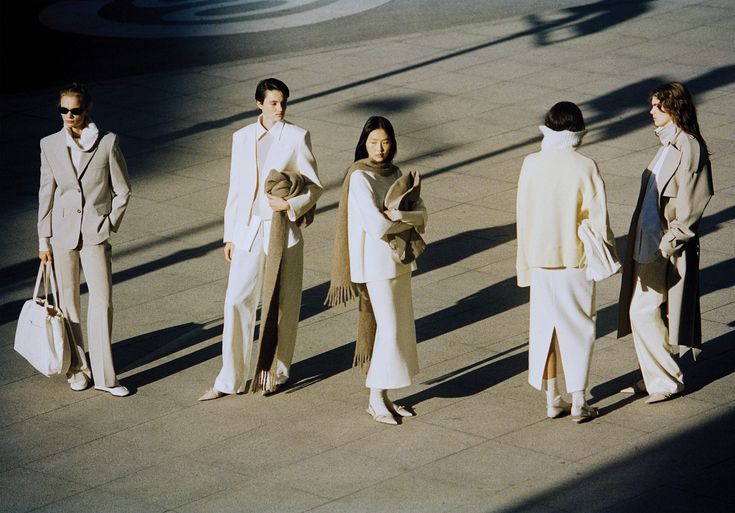
The Future of Fashion Is Slow
This movement isn’t just driven by designers, it’s driven by you. Every time you choose a handmade bag instead of a synthetic one, or repair your old jeans instead of tossing them, you vote for a better world. Every purchase you make is a quiet act of protest against waste, and a gentle nod to those who create with love. Even the smallest steps matter, thrifting, renting, swapping, or simply thinking twice before you buy. Sustainability isn’t perfection; it’s participation. India’s fashion scene is transforming, from glitzy runways to grassroots revolutions. Fashion weeks now dedicate entire showcases to sustainability. Startups are building eco-friendly fabrics. Artisans are reclaiming their pride. The future isn’t fast; it’s thoughtful. It’s not about “new arrivals” every week, it’s about timeless beauty that lasts years. In the end, sustainable glamour is not just about clothes. It’s about care, for our people, our planet and ourselves. Because fashion, at its heart, has always been about expression. Now, it’s also about responsibility. So the next time you slip into your favorite outfit, pause for a moment. Feel the fabric, think of the hands that made it and remember — style is temporary, but consciousness is forever.The Book That Changed the Way I See the World
Books are strange little things. They sit quietly on a shelf, gathering dust, until one day you pick them up and suddenly they stir something deep inside you. We all have that one book that doesn’t just entertain but leaves a mark, a book that changes the way we look at the world and maybe even ourselves. For me, that book was The Alchemist by Paulo Coelho. Got it! You want me to recommend a book myself in the blog rather than asking you to insert one. I’ll choose one that’s universally loved, life-changing, and easy to connect with in a storytelling style. Let’s go with “The Alchemist” by Paulo Coelho because it’s simple, profound, and has changed how millions see the world. Here’s the full 800-word blog polished with that book as the centerpiece:You don’t find book, it finds you
I wasn’t looking for a life-changing book the day I came across it. I remember walking through a small bookstore, half lost in my own thoughts, when the golden cover with a shepherd and the desert caught my eye. The title itself, The Alchemist, felt mysterious. What could it mean? I bought it without much thought, not realizing that within those pages was a story that would shift something deep inside me. At the time, I was at a crossroads in my life. I had dreams, yes, but they felt too big, too fragile, too unrealistic. Like many of us, I thought maybe it was safer to play small, to stay comfortable rather than risk failing. That’s when Santiago, the young shepherd in the story, walked into my life.This book literally spoke to me
The Alchemist is a simple tale, but its simplicity is what makes it powerful. Santiago, a shepherd boy from Spain, has a recurring dream about finding treasure at the pyramids of Egypt. Instead of ignoring it, he decides to follow his dream, even if it means leaving behind everything familiar and stepping into the unknown. Each person teaches him something about life: about listening to your heart, about the importance of patience, and about how the universe conspires to help you when you truly chase your dreams. But what struck me most was the realization that the real treasure lay in the journey itself. His struggles, his failures, his friendships, his moments of doubt, they all shaped him.How it changed in me
As I turned the pages, I couldn’t help but see pieces of myself in Santiago. How many times had I silenced my own dreams because they felt too wild? How many times had I chosen safety over courage? The book made me realize something simple yet profound, that dreams are not foolish. What’s foolish is never daring to follow them. After finishing The Alchemist, I began to look at my own life differently. I stopped treating my dreams as someday ideas and started asking, Why not today? I understood that setbacks weren’t signs to quit, they were part of the path, just like they were for Santiago. And most importantly, I learned to trust my instincts more. That little voice inside us, the one we often ignore? Coelho calls it the “language of the heart.” I realized that listening to it is not naive, it’s necessary.The Ripple Effect
Of course, I didn’t pack up my bags and run to the pyramids after reading the book. But small, meaningful changes began to unfold. I took chances I would’ve once avoided. I said yes to opportunities that scared me. I allowed myself to step outside the comfort zone I had built so carefully. And slowly, I began to feel lighter, freer, and strangely more alive. The world didn’t suddenly become easier, but it became more meaningful. I understood that struggles and challenges weren’t roadblocks, they were guiding signs, pushing me closer to my own “Personal Legend,” as Coelho calls it.Why you should read it too
If you’ve ever felt stuck, if you’ve ever doubted yourself, if you’ve ever wondered whether your dreams are too big or too unrealistic, The Alchemist is a book you need to read. It’s short, simple, and easy to understand, but its lessons stay with you long after you’ve closed the last page. It teaches you about courage. It teaches you about listening to your heart. And most of all, it teaches you that the journey itself is a treasure. Looking back, I realize I didn’t just read The Alchemist, I lived it in my own way. And perhaps that’s the beauty of this book. Each reader finds their own reflection in Santiago’s story. Books have that quiet power. So if you’re searching for a book that might change the way you see the world, start with The Alchemist. Who knows? Maybe it will be the spark you’ve been waiting for.How Solo-Traveling Can Be the Best Self-Discovery Tool for Yourself
There’s a certain magic about packing your bags, booking a ticket and setting out into the world alone. No friends to plan with, no family to depend on, no group to fall back into but just you, your thoughts and the wide open road. For many, solo-traveling sounds intimidating. What if I get lonely? What if I don’t know what to do? What if something goes wrong? But here’s the thing, it is exactly in those what ifs that the beauty of solo travel lies. When you strip away the noise of daily life and the comfort of familiar faces, you meet someone you often ignore, yourself. Solo-traveling is not just about seeing new places, it’s about discovering parts of yourself that routine life rarely shows you. Let’s dive into why hitting the road alone can be one of the best self-discovery tools you’ll ever experience.Stepping Out of Comfort Zones
I still remember my first solo trip. I had landed in a small hill town with no fixed itinerary, no hotel booked and only a backpack. On the first night, as I sat in a café alone, I felt awkward. Everyone else seemed to be in groups, laughing and chatting. But as the days passed, that awkwardness slowly turned into confidence. Solo-travel pushes you out of your comfort zone, sometimes gently, sometimes roughly. Ordering food in a new language, figuring out bus schedules or simply sitting with your own silence, these little challenges teach you resilience. You realize you’re capable of far more than you ever gave yourself credit for.Learning to Trust Yourself
At home, it’s easy to outsource trust. You rely on friends for company, family for decisions, Google Maps for shortcuts. But when you’re alone in an unfamiliar place, you begin to trust your instincts. Should I walk down this street? Should I take the last bus or wait till morning? You learn to listen to that inner voice, the one we often ignore in daily life. Every small decision builds self-trust, and with it, confidence. And when you come back home, that self-trust doesn’t vanish, it becomes part of you.Discovering What Truly Makes You Happy
When you travel with others, you often compromise. Maybe your friend wants to go shopping while you’d rather visit a museum. Or maybe your group wants to eat fast food while you’d prefer a local dhaba. But when you travel alone, every decision is yours. It’s in these small choices that you learn what really makes you happy. Do you love watching sunsets alone by the beach? Do you feel alive wandering through crowded markets? Do you crave stillness in the mountains? Solo-travel gives you the space to explore your authentic desires without judgment or negotiation.The Gift of Silence and Reflection
Life is noisy. Phones buzzing, emails piling up, people talking over each other. Traveling alone gives you the rare gift of silence. On a train ride through the countryside, while sitting by a river, or during a hike in the hills, you get to listen to your own thoughts. Sometimes, it’s uncomfortable. Old memories resurface, doubts creep in. But slowly, reflection turns into clarity. Many travelers say they’ve made life-changing decisions during solo trips whether it’s about relationships, careers or simply how they want to live. When the world slows down, your inner voice gets louder.Meeting the World, Meeting Yourself
Ironically, being alone often makes you more open to others. On a solo trip, you’ll find yourself talking to strangers you’d never approach otherwise, sharing stories with a fellow backpacker, asking a shopkeeper for directions, or laughing with a family that invites you in for tea. These encounters remind you how big and beautiful the world is. But they also show you how connected we all are. You discover sides of yourself, your friendliness, adaptability, kindness that might have been hidden back home.Building Independence
One of the biggest takeaways from solo travel is independence. You learn to handle money, plan logistics, navigate setbacks, all by yourself. Lost your wallet? You figure it out. Missed a train? You find another way. Each problem solved adds another layer to your independence. It’s not just about surviving a trip, it’s about realizing you can survive life’s bigger challenges too. The independence you gain stays with you long after the trip ends. When you ask anyone who’s taken a solo trip, they’ll tell you how it changes you. For me, it wasn’t about the places I saw but the person I became along the way. I came back with more than just photographs, I came back with a stronger sense of who I was, what I valued and what kind of life I wanted to build. So if you’ve ever felt lost or stuck in routine, consider packing your bag and taking that trip alone. It doesn’t have to be across the world, it could be a weekend getaway to a nearby town. What matters is the intention: to step into the unknown and meet yourself along the way. Because at the end of the day, the greatest journey you can ever take is the one that leads you back to yourself.How Films Teach Us About Human Nature
When the lights go down and the screen flickers in a theater, something magical happens. For the next 2-3 hours, we’re transported into a different world, sometimes filled with love, sometimes tragedy, sometimes laughter and sometimes horror. But beneath the costumes, special effects, and dramatic dialogues, films are not just entertainment. They are mirrors. They reflect who we are, what we feel and what we long for. In short, films teach us about human nature.Stories That Reflect Our Emotions
Think about the first movie that ever made you cry. For me, it was a simple family drama where a child was separated from their parents. I was just a kid myself, but I remember sitting in the dark, feeling a lump in my throat. Why did it hit so hard? Because it reminded me of my own fear of losing people I love. That’s the power of films. They take emotions we already carry, love, anger, jealousy, hope and show them on screen in ways we cannot ignore. We see ourselves in the characters. We may not be a superhero saving the world, but we know what it feels like to want to protect someone we love. We may never live in a palace, but we know what heartbreak feels like. Movies remind us that the emotions we often think are personal are actually universal. One of the most fascinating things films teach us is that humans are not just good or bad. They’re complicated. Think of a character like The Godfather’s Michael Corleone. At first, he’s the innocent son who doesn’t want to be part of the family business. But slowly, circumstances pull him in, and he transforms into a mafia leader. Is he good? Is he evil? Or is he just human, shaped by choices, family loyalty, and survival?
Movies like this remind us that judging people isn’t so simple. Everyone has reasons, struggles, and shades of gray. Films gently nudge us to question: would I act differently if I were in their shoes?
Another thing films capture beautifully is our endless search for meaning. Why are we here? What makes life worth living? Take The Pursuit of Happyness. Watching Will Smith’s character struggle through homelessness while raising his son reminds us of resilience, hope and the human need to dream bigger even when everything feels lost. It’s not just a story, it’s a lesson in endurance. Even animated films teach us this. Think of Inside Out. It shows us that sadness is just as important as joy that our emotional struggles shape who we are. Kids laugh at the funny characters but adults walk away with a deeper truth: it’s okay to feel.
One of the most fascinating things films teach us is that humans are not just good or bad. They’re complicated. Think of a character like The Godfather’s Michael Corleone. At first, he’s the innocent son who doesn’t want to be part of the family business. But slowly, circumstances pull him in, and he transforms into a mafia leader. Is he good? Is he evil? Or is he just human, shaped by choices, family loyalty, and survival?
Movies like this remind us that judging people isn’t so simple. Everyone has reasons, struggles, and shades of gray. Films gently nudge us to question: would I act differently if I were in their shoes?
Another thing films capture beautifully is our endless search for meaning. Why are we here? What makes life worth living? Take The Pursuit of Happyness. Watching Will Smith’s character struggle through homelessness while raising his son reminds us of resilience, hope and the human need to dream bigger even when everything feels lost. It’s not just a story, it’s a lesson in endurance. Even animated films teach us this. Think of Inside Out. It shows us that sadness is just as important as joy that our emotional struggles shape who we are. Kids laugh at the funny characters but adults walk away with a deeper truth: it’s okay to feel.
How relate us to each other
Films also highlight the way we connect or fail to connect with others. Romantic comedies show us the awkwardness of first love. Thrillers reveal how trust can be broken. Family dramas remind us that relationships are messy, but love often pulls us back together. When we watch these stories unfold, we learn empathy. We begin to understand perspectives different from our own. A movie about someone living in another culture or struggling with issues we’ve never faced opens our hearts in ways textbooks can’t. Beyond personal lessons, films also reflect the society we live in. Movies about war, injustice, or discrimination show us the darker sides of human nature. They force us to confront realities we might otherwise ignore. Take Schindler’s List. It’s painful to watch, but it teaches us about the consequences of hatred and the courage of those who resist it. On the other hand, films like 3 Idiots in India shine a light on the pressures of education systems, sparking conversations about change. Through stories, films hold up a mirror, not just to individuals but to entire communities.Are films really an escape ?
Some argue that movies are just an escape from reality. And yes, it feels good to lose yourself in a fantasy world for a while. But even escapist films carry truths. When you cheer for Harry Potter fighting Voldemort, you’re not just watching magic spells, you’re witnessing the eternal struggle between good and evil, bravery and fear. Even in imaginary worlds, human nature sneaks in. We cannot escape ourselves, even in fiction. I remember watching Life Is Beautiful for the first time. It’s a story about a father who convinces his young son that their time in a concentration camp is just a game, to protect him from the horrors around them. By the end of the film, I was in tears, but I also felt something shift inside me. I realized the power of hope, the sacrifices parents make, and how love can survive even in the darkest circumstances. That film taught me more about human courage than any lecture ever could. At the end of the day, films matter because they are more than moving pictures. They are lessons in disguise like :- We all share the same emotions, no matter where we come from.
- People are complex, neither entirely good nor bad.
- Dreams, struggles, and love are what make us human.
- Empathy grows when we step into someone else’s story.
- Society can change when its truths are told through art.
The Art of Slow Mornings: How Doing Less is More
The alarm buzzes. You hit snooze. And before you know it, you’re rushing, scrolling through emails, grabbing breakfast on the go and mentally making a to-do list before you’ve even brushed your teeth. By the time you sit down to actually start your day, you’re already exhausted. Sound familiar? This is the story of most of our mornings. We’ve been told that mornings are meant to be “productive” and “hustle-ready,” that the earlier you wake up and the more you do, the more successful you’ll be. But here’s the truth no one tells you: sometimes, doing less in the morning actually gives you more. More energy, more clarity, more joy. That’s the art of slow mornings.Why does it matter ?
A morning sets the tone for your entire day. If you start it in chaos, chances are the day feels chaotic too. But if you start slowly, with space to breathe, you carry that calmness forward. Think of it like pouring tea. If you pour too quickly, it spills everywhere. But if you pour slowly, it fills the cup perfectly. Your morning works the same way. Slow mornings don’t mean being lazy or wasting time. They’re about creating room to connect with yourself, your thoughts, your surroundings before the noise of the world rushes in. I remember a time when my mornings looked like a race. I would wake up late, check my phone immediately and then scramble, skipping breakfast, multitasking, rushing to “catch up.” By noon, I would feel like I’d already run a marathon. One day, out of sheer exhaustion, I decided to do the opposite. I woke up, left my phone on the table and just sat by the window with a cup of chai. The silence was strange at first, almost uncomfortable. But slowly, I began noticing little things, the sound of birds, the warmth of sunlight, the way my mind felt lighter when it wasn’t flooded with notifications. And that one morning changed everything. I realized I didn’t need to start my day at 200 km/hr. I could go slow and still get things done, maybe even get more done.So what does a “slow morning” really look like?
It’s different for everyone but here are a few simple practices that can help:- Wake up gently Instead of jolting awake to a harsh alarm, try waking up a little earlier and allowing yourself time to stretch, breathe and move slowly. Give your body a chance to catch up with your mind.
- Stay away from screens The first thing most of us do is check our phones. But that floods our brain with information and stress before we’re even awake. For the first 30 minutes, try to be phone-free. Let your thoughts, not someone else’s, guide your morning.
- Enjoy a mindful ritual It could be sipping your tea slowly, journaling for 5 minutes, watering your plants or just sitting in silence. The act doesn’t matter, it’s the slowness that does.
- Move your body You don’t need an intense workout. A short walk, light stretching or yoga can ease your body into the day without pressure.
- Do one thing at a time Instead of brushing your teeth while checking emails or eating while scrolling, try doing one activity with full attention. It makes even the smallest task feel grounding.
Doing Less, Gaining More
The beauty of slow mornings is that they create space. And in that space, you find clarity. You think better, you feel calmer and you make choices with intention rather than impulse. When you rush, you may cross ten things off your list but still feel empty. When you go slow, even three things done with presence feel fulfilling. That’s the paradox, less really is more. Take breakfast. On a rushed morning, it’s a toast in one hand, phone in the other. On a slow morning, it’s sitting at the table, actually tasting the food, maybe even sharing a few words with a loved one. Same 10 minutes, but one leaves you frazzled, the other leaves you nourished.But how to begin ?
We know life moves fast. There will always be deadlines, notifications, and demands waiting for you. But you don’t need to overhaul your entire routine. Start small. Wake up just 15 minutes earlier. Put your phone away for the first half hour. Try a quiet activity you enjoy. Slowly, these small changes will become habits, and before you know it, you’ll crave your slow mornings. The art of slow mornings isn’t about wasting time, it’s about reclaiming it. It’s about realizing that your worth isn’t measured by how much you squeeze into an hour, but how present you are in the time you have. So tomorrow, when your alarm rings, don’t rush. Breathe. Stretch. Sip. Sit by the window if you can. Let the morning unfold, slowly. Because in doing less, you’ll discover how much more your day and your life can truly hold.Why Artists Around the World Should Steal Like Artists
When you hear the word steal, the first thought is usually something negative, i.e, taking what doesn’t belong to you. But in the world of art, stealing has a completely different meaning. It’s not about copying or plagiarism. It’s about borrowing, learning and reshaping ideas into something uniquely your own. There’s a famous saying by Pablo Picasso, Good artists copy, great artists steal. What he meant wasn’t that you should rip someone else’s work. Instead, he was pointing to the timeless truth that no art is born out of thin air. Every painting, poem, film or song is influenced by something that came before it. And that’s not a weakness, it’s the foundation of creativity.Nothing Is Original
Think about it. Every story, every melody, every design, somewhere it echoes an older version. Shakespeare borrowed plots from ancient myths and history. Musicians remix old rhythms into new beats. Filmmakers draw inspiration from novels, photographs and even each other’s movies. Originality doesn’t mean creating from nothing. It means taking inspiration, mixing it with your voice and presenting it in a way that only you could. When an artist steals, they are not blindly copying, they are absorbing what moves them, understanding it deeply, and then transforming it.The Art of Selective Stealing
That being said, not all stealing is equal. Copying someone’s work word-for-word or brushstroke-for-brushstroke is imitation, not creation. Real artistic “stealing” is selective. It’s about choosing what resonates with you, breaking it apart and rebuilding it in your own language. Imagine a musician listening to jazz, hip-hop and classical. They don’t just copy one style. Instead they steal bits of rhythm from jazz, emotion from classical and energy from hip-hop then blend it into something new. The final result isn’t a copy, it’s a collage of influences filtered through one person’s soul. For example, a friend of mine is a photographer. When she started out, she would look at pictures from famous photographers and try to replicate them exactly, with the same angles, same edits, and the same moods. But something always felt hollow. The photos looked nice, but they weren’t hers. Then she started doing something different. She kept a notebook where she’d jot down what inspired her about a picture: the way the light fell, the emotion in someone’s eyes, or the sense of stillness in the frame. She would then try to recreate that feeling in her own photos, but with her subjects, her city, her life. That’s when her art began to stand out. She didn’t just copy the photograph, she stole the idea of emotion, light and storytelling and then wove it into her own lens.Stealing Builds Connection
Here’s another beautiful part of “stealing” like an artist: it connects you with the larger human story. When you borrow inspiration from someone else, you’re entering into a conversation across time and geography. A writer in India might be influenced by a poet in Chile. A dancer in Nigeria might find inspiration in a flamenco performance in Spain. By stealing and reshaping, you’re building bridges, proof that art is universal, even when it speaks in different languages. Many young artists hesitate. They’re terrified of being called a copycat. But here’s the thing, every master started by imitating. Painters sketch other paintings. Writers copy down passages they love. Musicians play covers before writing originals. That’s not theft, it’s apprenticeship. The key is not to stop there. Steal as a student, but grow into your own teacher. Use imitation as training wheels until you can ride freely with your own voice. And If you’re wondering how to steal without losing yourself, here are a few simple ways:- Collect what inspires you. Keep a folder, notebook or Pinterest board filled with art, quotes and images that move you. Don’t worry about where it comes from, just gather.
- Break it down. Ask yourself what exactly do I love about this piece? Is it the mood, the colors, the rhythm, the honesty?
- Try to blend it with your own life. Take that spark and filter it through your world. Write about your city, your family, your heartbreak, your joy. That’s how borrowed ideas become yours.
- Don’t Copy, Transform it. If someone hears your song or reads your poem and can instantly name the original source, you’ve copied. If they feel something new, something that sounds like you, then you’ve transformed.
So, why should artists around the world steal like artists?
Because art isn’t about being the first, it’s about being authentic. It’s about standing on the shoulders of those before you, taking what resonates and reshaping it with your own heart and hands. When you steal like an artist, you’re not robbing anyone. You’re honoring them. You’re saying, “This moved me, and now I will carry it forward in my own way.” In the end, art is less about ownership and more about connection. We’re all part of a larger story, passing down sparks of inspiration like torches across generations. So go ahead, steal the light. And then let it shine in your own color.Why Motivation Fails and What Actually Keeps You Going
We’ve all had those days when motivation feels like a lightning strike. You watch an inspiring video, read a powerful quote or listen to a TED talk and suddenly, you’re ready to conquer the world. You make plans, set goals and you feel unstoppable. But then comes the next morning. The alarm rings, the energy fades, and the same tasks you were excited about yesterday now feel heavy. The fire that you felt is gone. This is where most of us get stuck. We think the problem is us, maybe we’re lazy, maybe we don’t have what it takes. But here’s the truth, motivation is not the problem. Motivation fails because it was never meant to last forever. It’s like a spark. A spark can start a fire, but it can’t keep it burning. So what actually keeps you going ? Let’s dive in. Think about the last time you made a New Year’s resolution. Maybe it was to get fit, write a book or save money. In the beginning, motivation is sky-high. You buy new gym clothes, start writing the first chapter or open a new savings account. It feels good. But soon, the reality kicks in. The gym feels tiring, writing feels lonely and saving money feels restrictive. Motivation vanishes because it’s tied to feelings. And feelings, as we know, are fleeting. You can’t depend on a feeling to carry you through tough days. That’s why so many people say: “I’ll start when I feel motivated.” But the truth? If you wait for motivation, you’ll wait forever. So then, the question is what really keeps you going ? It’s a mix of three things: discipline, habits and purpose.1. Discipline: Showing Up Even When You Don’t Feel Like It
Discipline is often misunderstood. People think it means being strict or punishing yourself. But discipline is simply the art of showing up, especially when you don’t feel like it. Think about brushing your teeth. Do you feel “motivated” to do it every morning? Probably not. You do it because it’s a habit and you know the consequences if you don’t. Discipline works the same way. When you rely on motivation, you ask, “Do I feel like it today?” When you rely on discipline, you say, “I’ll do it because I said I would.” And slowly, that consistency builds trust with yourself.2. Habits: Small Steps That Stick
Habits are the secret weapons that carry you through the days when motivation fails. When something becomes a habit, you don’t need to think about it anymore. Take exercise, for example. If you decide to run 5 kilometers every day, motivation will fail you after a week. But if you start small, say, putting on your running shoes at the same time every morning, eventually it becomes automatic. You may not run every day, but the act of showing up creates momentum. Habits make big goals less overwhelming. You don’t need to write a whole book in a day. You just need to write one page. Do that every day and the book will come.3. Purpose: Knowing Your “Why”
Discipline and habits are powerful, but they need direction. This is where purpose comes in. Purpose is your deeper reason for doing something, the anchor that keeps you steady when the storm hits. Imagine two people studying for the same exam. One does it just to pass. The other does it because they dream of becoming a doctor and saving lives. Who’s more likely to stick with it when things get tough? Your “why” doesn’t have to be world-changing. It just has to matter to you. Maybe you exercise not just to look fit but because you want to stay healthy for your kids. Maybe you work hard not just for money but to give your parents a better life. When the reason is bigger than the struggle, you’ll keep going.My Story
I still remember a friend who wanted to run a marathon. At first, she was all about motivation watching videos of athletes, buying new gear, sharing her plan with everyone. But after two weeks, she lost steam. What kept her going wasn’t motivation, but a habit. The habit of waking up every morning and tying her shoelaces, no matter what. Some days she ran far, some days she just walked. But she showed up. And the deeper push? Her father had heart issues and she wanted to prove to herself and to him that health could be taken seriously. That purpose fueled her on days when even walking felt like a struggle. She didn’t just finish the marathon. She changed her lifestyle. Because it wasn’t about motivation anymore, it was about discipline, habits and purpose. So motivation is wonderful. It’s the spark that gets you started. But it’s not what keeps you moving. The real game-changers are:- Discipline: showing up even when you don’t feel like it.
- Habits: building small steps that turn into automatic routines.
- Purpose: knowing why you’re doing it in the first place.