What Are the Keys to Building Strong Adult Friendships?
mental health By Priyanka Rani Relationships By Priyanka RaniAs we move from a traditional school environment to college it becomes difficult to maintain friendships. While both the places are for building connections, the mechanics and motive of how those friendships form and function changes as we grow up and gain independence.
School friendships are naive and vulnerable; they are the roots of learning how to make connections in a controlled environment. College friendships are branches that you choose by yourself based on a mix of survival, shared passion and sudden freedom of independence.
Here are the keys to build strong adult friendship:
1.Consistency
Unlike in childhood friendships where there is a day-to-day interaction of the classroom; adulthood friendships are a bit different, here you lose the forced interaction of the shared classroom. To build a bond you need consistency. That can be a shared third space like gym, a hobby group, or a park hangout. All these repeated low-pressure activities are the foundation of bonding.
Another consistent activity can be hanging out on a monthly dinner or weekly Sunday walk. This avoids the pressure to show-up daily without the fear of falling out of touch.
The “Low-Bar” Principle: The most sustainable friendships aren’t the ones that demand 100% of your energy 100% of the time. They are the ones that allow for a “low-bar” of entry—where showing up as you are, even if you’re tired, is enough.
2.Active Reach out
In 20s and 30s life gets noisy in jobs, family and burnout. With an everyday busy schedule, it becomes difficult to communicate for long hours on phone calls. Active reach out is a shift from assuming that a friendship will just happen to taking responsibility for its growth.
Don’t wait for the group to invite, actively suggest an interesting activity and participate with shared interest.
3.Celebrating Wins
Research suggests that how you respond to a friend’s good news is actually more predictive of a strong bond than how you respond to their bad news. Think of it as becoming a “mirror of joy” for the people you care about. When you are celebrating a friend’s win you are validating their hard work and efforts in building an identity.
It creates a safety net in their subconscious where they feel safe to share their emotions without the fear of judgement. It’s about being the person who cheers up the loudest in the room and shows genuine happiness for their victory.
4.Repair Mindset
We often ignore people after minor inconveniences like a missed call, slow reply or an awkward hangout. This happens because our brain tries to avoid the discomfort of re-entry. We often mistake a lack of energy for a lack of interest, letting small silences turn into permanent walls. The “inconvenience” is usually just the ego trying to protect itself from looking imperfect. By choosing to be slightly awkward and reaching out anyway, you prove that the person is more important than your own polished image.
5.Boundary Setting
In friendships boundaries are not the permanent walls for keeping the other person out, they are gates that allow silent entry without burning out.
The Three Types of Boundaries
- Time Boundaries: Protecting your schedule. (e.g., “I can’t hang out on weeknights because I need to focus on my college projects.”)
- Emotional Boundaries: Protecting your internal peace. (e.g., “I’d love to support you, but I don’t have the headspace to talk about this specific topic right now.”)
- Energy Boundaries: Protecting your social battery. (e.g., “I’m happy to come to the party, but I’m only staying for an hour because I’m feeling drained.”)
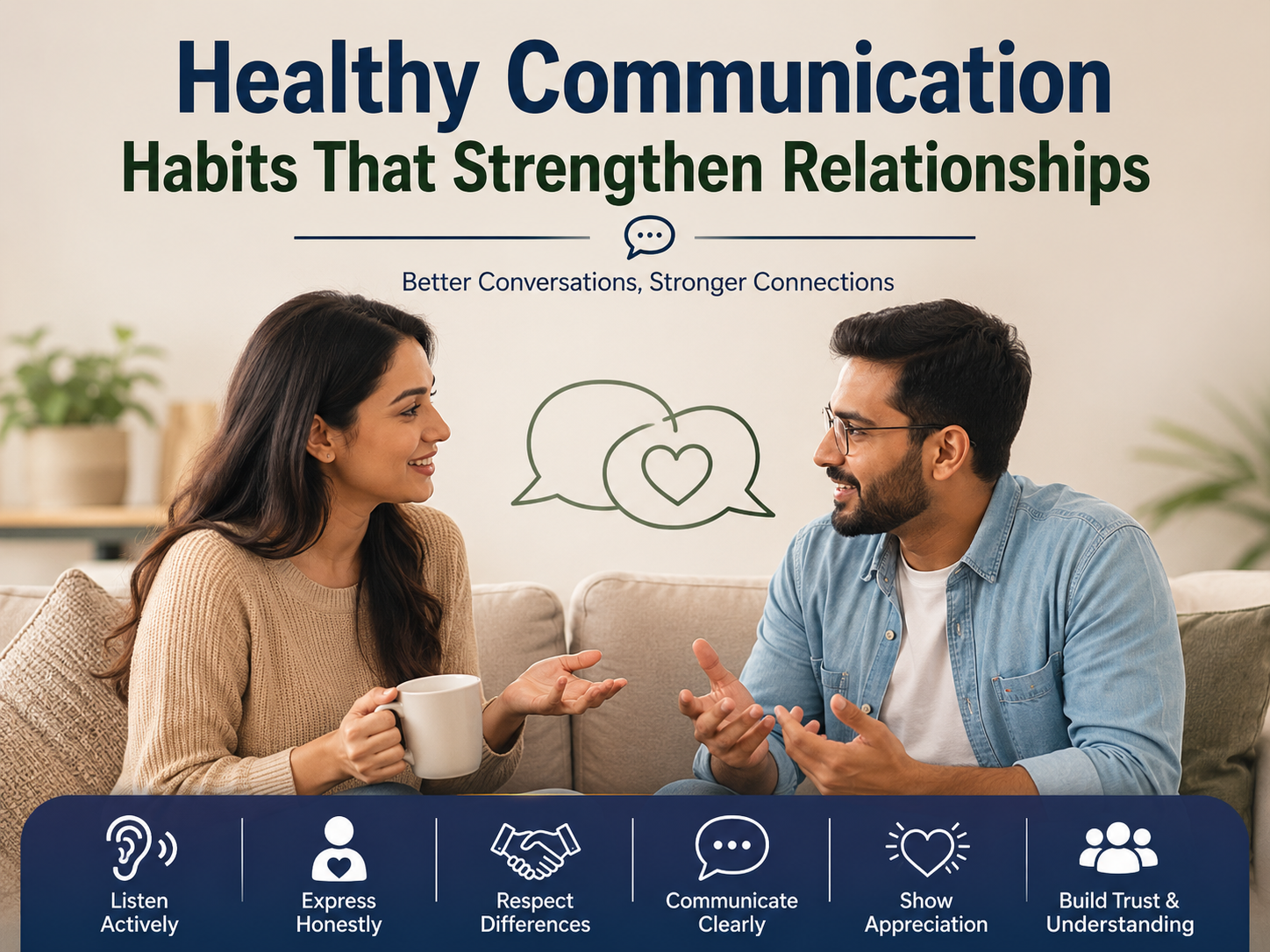
6.Active Listening
Active listening is a practice of listening to understand rather than listening to respond. In a world where everyone is waiting for their turn to speak, being a listener is rare but not difficult. Being a listener makes you a ‘’safe space’’ for your friends.
Why Does it Build a Stronger Bond?
Active listening bridges the Vulnerability Gap. When a friend feels truly heard, they feel safe. It removes the “minor inconvenience” of feeling misunderstood and replaces it with the security of understanding.
Conclusion
In conclusion, building a strong bond requires constant effort. In reality strong adult friendships do not happen by accident, they are built on purpose. In the end, a great friendship isn’t about being perfect or talking every single day. It’s about being the person who shows up when it matters and creates a safe space for others to do the same. It’s the small, consistent efforts that turn a classmate or a coworker into a lifelong friend.