The Journey of Love: Insights from Long-Term Relationships
Relationships & Personal Growth By Priyanka Rani“Love does not consist of gazing at each other, but in looking outward together in the same direction.”
— Antoine de Saint-Exupéry
Love is a complex emotion
How can love ever be simple, when it is a handful of emotions packed together invisible, yet impossible to ignore. Love involves actions, decisions and sometimes sacrifice. So, it is not something you feel, it becomes something you do. When words turn into action it might become difficult to proceed. What started as excitement can turn into comfort or even confusion over time. The constant evolution of feelings makes it hard to define in one way or another. Everyone shapes their idea of love through their own personal experiences, so your idea of love can differ from someone else’s. No two people can express or experience it the same way.
The Complexity of Love: A Strength and a Challenge in Long-Term Relationships
“Being deeply loved by someone gives you strength, while loving someone deeply gives you courage.”
— Lao Tzu
Over time complexity is what makes relationships stronger.
But the same complexity that strengthens love can make it difficult. Sometimes, we mix love with frustration and care with confusion. Sometimes it can become hard to express what you feel. Miscommunication can create distance between people who love each other. Over time managing these emotions becomes really important as they may feel exhausting.
Remember complexity is not flaw, it is the actual depth. But without understanding and without taking care of each other’s emotions it can be really difficult to navigate a long-term relationship.
How Self-Love Affects Long-Term Relationships
“To love oneself is the beginning of a lifelong romance.”
— Oscar Wilde
Self-love is often misunderstood and considered toxic by our society’s standards, which is really stupid. How can you love someone else if you are unable to love yourself? Self-love sets a standard for you to understand what kind of love you deserve and what you should not settle for.
When you value yourself, you don’t settle for less than you deserve. In a long-term healthy relationship when you know your own emotions, it becomes easier for you to regulate them. It becomes easier to communicate with your partner. When both the partner practice self-love the relationship feels mutual and lighter.
It is really important to practice self-love to avoid any kind of dependence on your partner.
The Role of Intimacy in Long-Term Relationships
Intimacy is sometimes misunderstood as purely physical but in reality, to sustain a long-term relationship, both emotional and physical intimacy play their part.
Emotional intimacy
Emotional intimacy makes the other person feel safe. It is the foundation of a strong bond.
It is in:
- honest conversations
- feeling understood without explaining everything
- being vulnerable without fear of judgment
- sharing your real thoughts, not just surface-level conversations
In long term relationships, physical intimacy may fluctuate but emotions can bring you back to your partner. In simple words emotional intimacy is not about how much time you spend together, it’s about how deeply you connect when you do.
Physical intimacy
Physical intimacy is often reduced to just sexual desire, but psychological studies say that not only sexual connection but also simple gestures like touch, affection, and closeness are a part of physical intimacy.
This simply means:
- a hug can reduce stress
- holding hands can create reassurance
- simple touch can strengthen emotional connection
This is not just physical touch, it is saying I’m here for you. In a long-term relationship physical intimacy can be less about intensity but more about comfort, trust, and emotional closeness. When the partner is emotionally safe around you, physical intimacy feels more natural and meaningful.
The Psychology of Long-Term Relationships
Why do some relationships thrive while others struggle? Decades of psychological research point to a few key factors that consistently shape relationship quality.
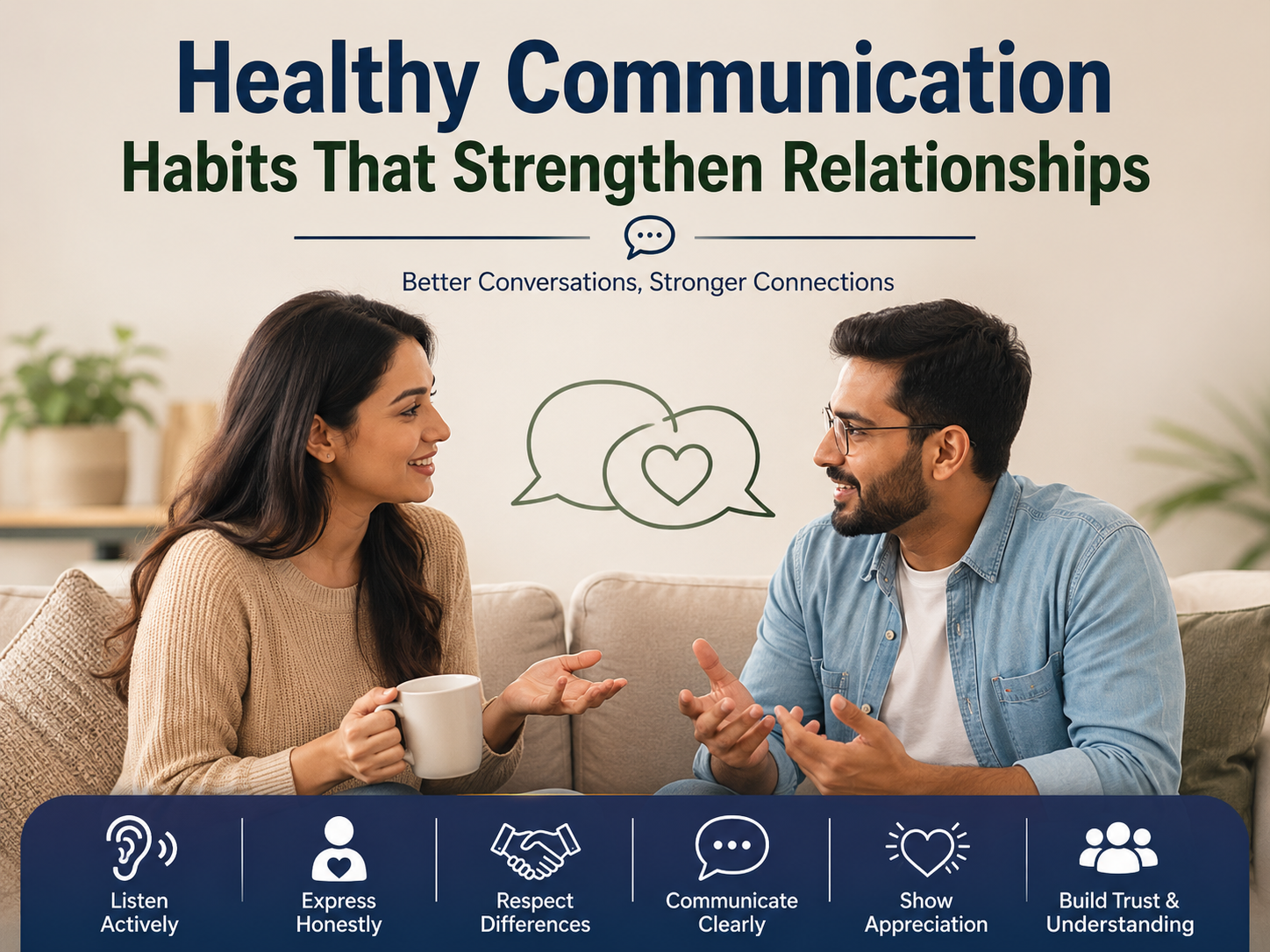
Listening to your partner
Thriving couples practice active listening; they fully concentrate on what their partner is saying without interrupting or immediately planning a response. This helps both partners feel heard and valued.
Emotional safety
Emotional safety is the feeling that you can be your true self without the fear of judgement. It is your body’s response that ensures “you can be vulnerable around your partner’’. Psychologists explain that people stay longer in relationships where they feel emotionally secure. It is built in small interactions but just big moments.
Conflict Is Normal (and Necessary)
Another misconception is that conflicts are unhealthy or healthy relationships do not go through conflicts. Psychology says the opposite, conflicts cannot be avoided. Therefore, controlling our response to the reaction of the person can help in resolving the unnecessary conflicts. This is the foundation of long-term relationships, choosing to handle disagreements instead of complaining.
Growing together
Growth of both the partners is really important to sustain a long-term relationship. It means supporting each other in small and big wins of life, learning from each other, adapting to new changes together and many more. When you feel the other person is not growing with you, a sense of distance may occur.
Conclusion
For a relationship to last longer, patience is the key. It is not all perfection but understanding and choosing to stick by each other no matter what. Your relationship’s success is not determined by luck or by finding a perfect partner but by consistent efforts.