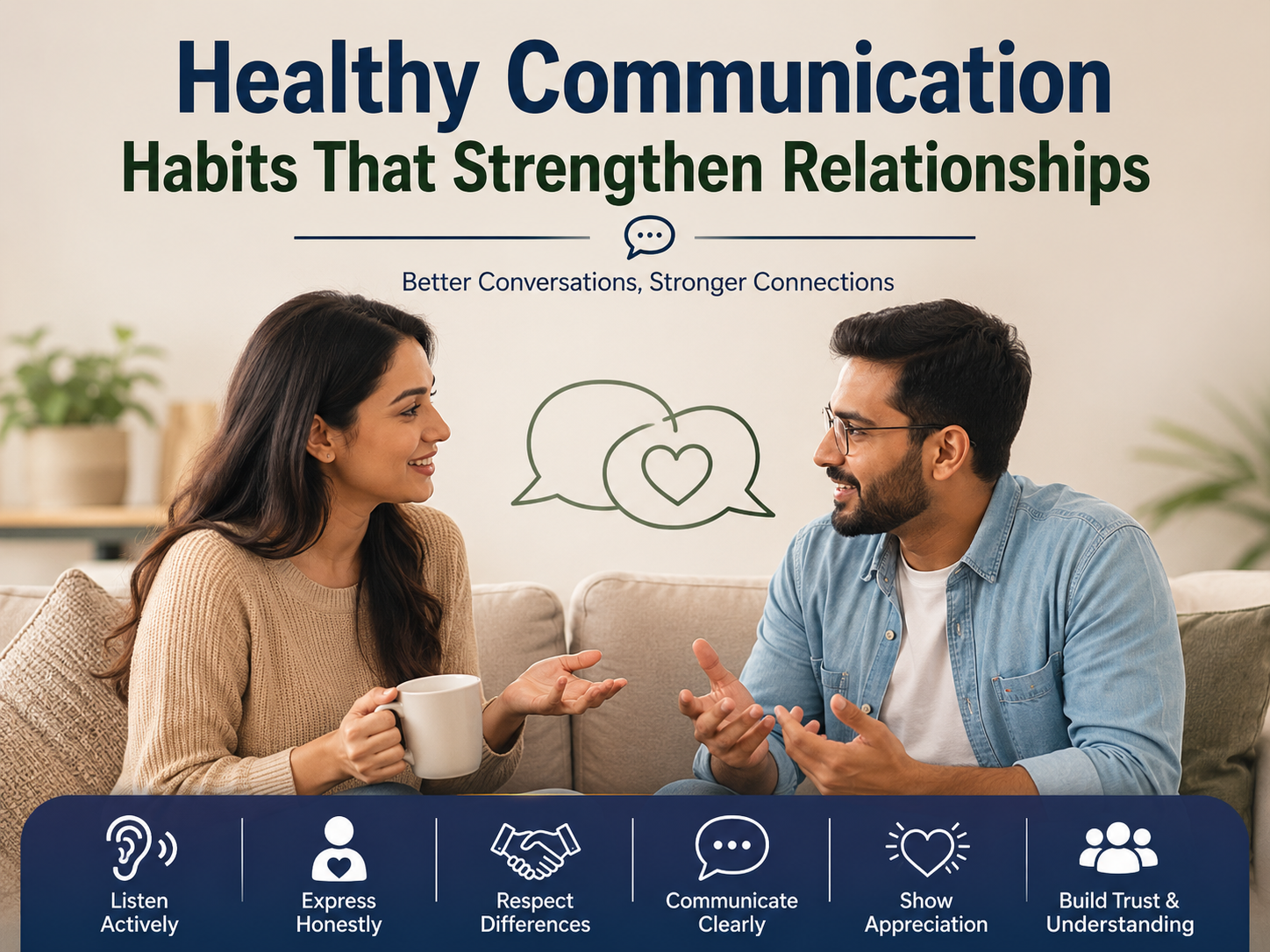
How to Distinguish Healthy Arguments from Toxic Patterns?
Relationships & Personal Growth By Priyanka RaniArguments and disagreements are a common part of any relationship. While some arguments strengthen the bond others may break it. The issue is not whether you argue, but how you argue.
When handled with respect and maturity, arguments can become opportunities for growth. On the other hand, arguments that involve blame, insults, or silent treatment can damage a relationship.
In the end, it’s not the disagreements themselves that determine the strength of a relationship, it’s how couples work through them. When handled with empathy and patience, even arguments can bring two people closer, helping them grow together instead of pushing them apart.
Signs of healthy arguments

- Both people stay on the topic instead of blaming each other. Instead of saying, “You’re selfish,” it becomes, “I felt hurt when this happened.”
- Even if you disagree, there is space for both the partners to speak their mind.
- In a healthy relationship both the partners take accountability of their actions and offer sincere apologies.
- You feel your voice matters, in a healthy relationship both the partners feel heard and valued.
- Emotional security is the most important part of a healthy relationship. Being your most vulnerable self around your partner gives you a sense of stability.
- The goal of healthy conflict is mutual understanding or compromise– not “winning”. The outcome is often a clearer plan.
- Respecting boundaries while arguments, instead of trying to manipulate or control the other person.
Signs of toxic arguments

- When arguments quickly turn into insults, sarcasm, or belittling like “You’re crazy” or “No one else would put up with you” these are the signs of toxic or unhealthy patterns.
- You might feel unwanted or abandoned at times. Even disagreements can make you question your self worth.
- You start noticing the same patterns over and over—constant criticism, being told you’re “overreacting,” or feeling like love or money is being used to control you. Getting compared to your previous partner. These are not just comparisons, they’re signs of a toxic relationship.
- Your partner making fun of you in front of friends and family as a joke.
- Blaming you for every issue in the relationship, even when it’s not your fault, is a toxic pattern that can leave you doubting yourself.
- Toxic partners often use gaslighting and emotional pressure to keep you from leaving them.
Resolve Conflicts Effectively
- Own your part in the disagreement (“I got defensive because I felt unheard”), then listen and try to understand your partner’s perspective without interrupting.
- Do not bring old, already discussed issues during new arguments, it makes the situation worse.
- Take a short break, if emotions run high– then come back with calm emotions.
- Accepting your mistakes and admitting when you are wrong shows a sign of emotional maturity.
- Taking couple therapy. Many people assume that going to couple therapy means a relationship is falling apart. In reality, choosing therapy is often a sign of commitment, not weakness.
Disagreements are normal in every relationship, but the way they are handled makes all the difference. Healthy arguments build understanding and strengthen bonds, while toxic patterns damage trust and self-worth. When conflicts are managed with respect, accountability, and empathy, they become opportunities for growth rather than reasons to fall apart.