
Mental Exercises to Stay Optimistic
Health & Wellness By New_Indian_Statement“When the outside world feels chaotic, the only way out is to go within.”
A state of true fitness comes only when the body is in harmony with the mind. Yet many of us still see fitness as purely physical well-being, forgetting the deeper dimensions of mental and spiritual health. Real happiness blooms when we nurture all three together.
After spending months confined within the four walls of our homes, protecting ourselves from Coronavirus, many have begun to struggle with mental health. It’s not easy to stay optimistic when life keeps shifting so abruptly. That’s why The Indian Statement brings you a few simple yet powerful mental exercises to help you stay positive:
- Do Meditation and Yoga
Nothing works better than calming the soul by centering attention on yourself. Meditation done daily fills you with positive energy and a quiet sense of satisfaction. Don’t let negative thoughts consume you, instead find what puts your body, mind and soul at rest. Try calming music or binaural beats, steady your breathing or take walks in natural spaces. Reading uplifting books or simply lying on your bed letting sweet memories flow can do wonders too.
- Appreciate Yourself
Be grateful to yourself for the battles you’ve already won instead of punishing yourself for the ones you lost. Practice positive affirmations, stand before a mirror, look into your eyes and compliment yourself for something you’re proud of. Do this daily to build a healthy relationship with yourself. Discover what bothers you, what comforts you, and what makes you feel at home. Remember, your body shape doesn’t decide your worth. If wearing a short skirt makes you happy, wear it. Keep reminding yourself: you are beautiful, just as you are.
- Acknowledge Others
Once you’ve recognized the magic within you, look for it in others. Appreciate their hard work, encourage them, remind them of their worth. Even a smile shared can brighten a day. By spreading positivity around you, you double its power. After all, creating a supportive environment benefits everyone.
- Keep Yourself Occupied
As the saying goes, “An idle mind is the devil’s workshop.” Free time often invites negative thoughts. Avoid that by staying active. Do what you love, exercise, dance, journal, learn a new language or pick up a forgotten hobby. But remember, being occupied doesn’t mean overworking. Balance is key. Make a simple to-do list and tick tasks as you go. This will leave you feeling accomplished, and ready for restful sleep.
- Make Peace with Your Demons
The past can be painful for many people and flashbacks often might even feel overwhelming. But acceptance lessens their power. Psychology shows that trying to “forget” memories only makes them sharper. Instead of resisting, acknowledge them for what they are: events that no longer control your present. By making peace with them, you free yourself to carve a better future.
Remember, staying positive isn’t about ignoring struggles, it’s about equipping yourself with habits that help you rise above them. Start small, be gentle with yourself and watch how light slowly returns to your days.
Author

Related Posts

The Future of Fashion: Micro Trends of 2026
Over time, fashion has found its voice in many ways we could have never imagined. Earlier, fashion was something decided by big production houses, and it used to trickle down to the common audience. But now, social media plays such a major role that we, the common people, are the new trendsetters. It’s not that […]
Read more →
How to Distinguish Healthy Arguments from Toxic Patterns in Relationships?
Arguments and disagreements are a common part of any relationship. While some arguments strengthen the bond others may break it. The issue is not whether you argue, but how you argue. When handled with respect and maturity, arguments can become opportunities for growth. On the other hand, arguments that involve blame, insults, or silent treatment […]
Read more →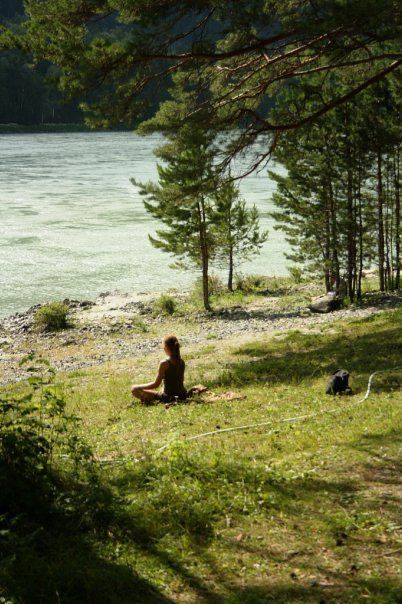
When Did Inner Peace Become a Measure of Success?
Inner peace is often said to come from within. It is believed that if you are at peace internally, you can perform at your best externally. The idea suggests that peace is not materialistic but idealistic, which I believe is only partially true. I am not saying that inner peace comes from external validation or […]
Read more →