Where to Start: Reducing Screen Time for a Balanced Life?
Health & Wellness By New_Indian_StatementBalancing screen time and real life is about optimizing technology without losing our mental, physical, and emotional health. By setting boundaries, practicing mindfulness, learning new skills and choosing people over pixels, we can survive in the digital world without getting consumed by it.
What happens when you are constantly on screen?
First, let’s understand why balancing screen time matters.
As per the guidelines of The World Health Organization (WHO) average screen time of a teenager for recreational activity (non-school) should be 1-2 hours/day. But in reality, many studies show that the average screen time of a 14-year-old is about 7-8 hours/day. This includes phones, tablets, TVs, video games, etc.
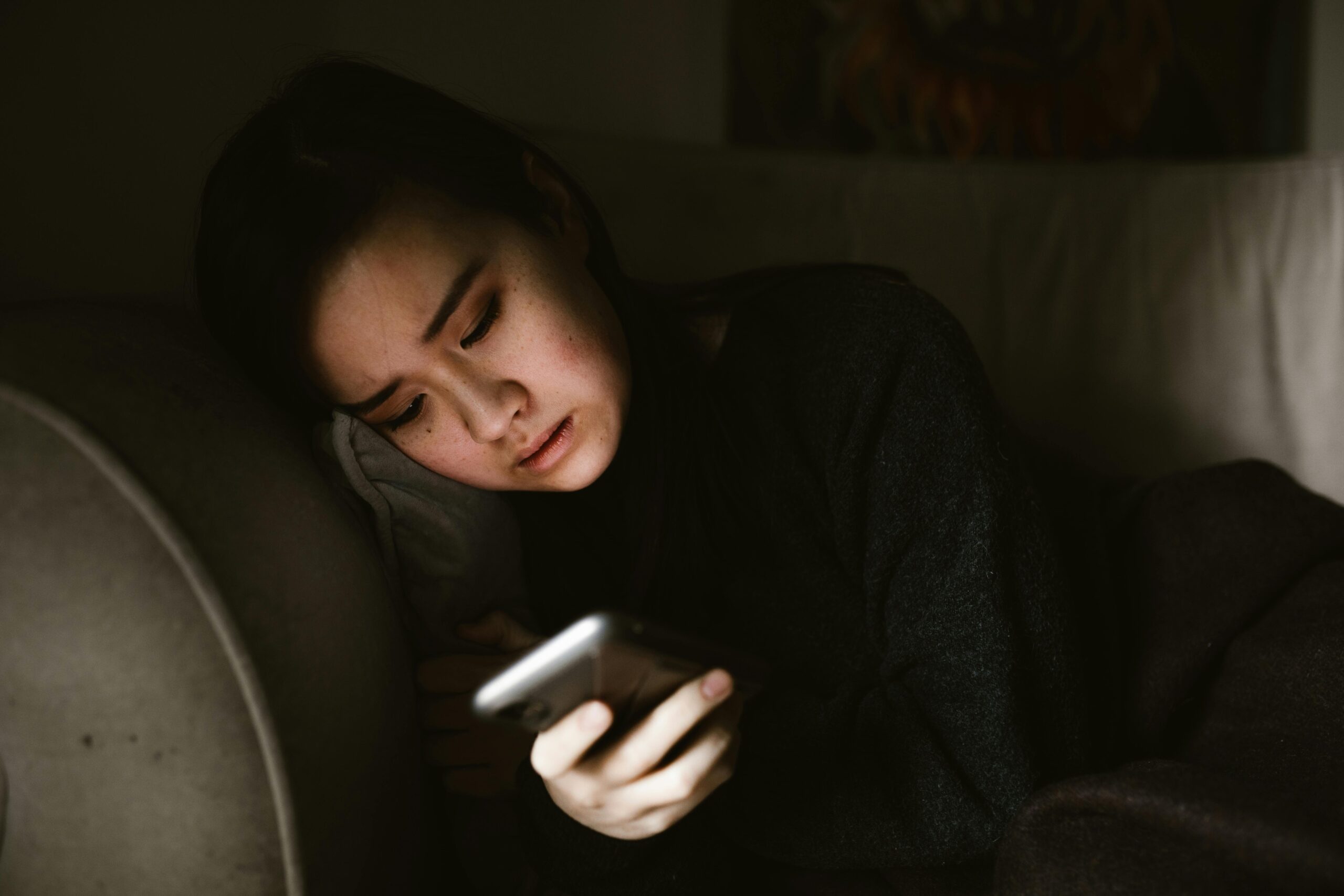
Too much screen time has led to early vision problems, poor sleep quality, and constant anxiety. Users check their phones every few minutes leading to depression and reduced physical activity.
Health issues due to excessive screen exposure
Excessive exposure to digital screens leads to back pain and cervical issues due to poor posture. It affects our overall ability to make effective decisions and use our minds to their full potential. Screens have a wide range of cognitive consequences, both beneficial and damaging.
Access to digital tools provides early access to information and skill development. For many students, virtual classrooms are more engaging than traditional classrooms.
However, problems arise when screen time becomes excessive and is saturated into fragments. The constant switching from messaging, lectures, and games confuses the mind.
What is the result of excess screen time?
It becomes difficult to focus deeply, impacts the overall performance, and constant overload exhausts the brain. As a result, students may struggle with concentration, time management, problem-solving, and decision-making. Over time, diminished cognitive control negatively affects academic performance. While the screen is a powerful tool, its outcome depends on controlled exposure rather than mindless scrolling.
Signs you are overdoing it
Although we would never associate feeling restless with excessive screen time, here are some warning symptoms:
- Feeling mentally exhausted, anxious, or low despite being constantly “connected.”
- Frequent headache and migraine.
- Losing concentration or being unable to focus.
- A constant urge to check notifications every few minutes.
- Mindless scrolling.
Effective Strategies for Reducing Screen Time: The digital detox
-
Setting clear boundaries
Saying to yourself, “I’ll use my phone less,” or getting access to your phone only when a certain task is done.
-
Practicing mindfulness
- Why am I opening my screen?
- For how long will I be using this?
-
Self-Control
Put a screen timer on your most used app (most people underestimate this feature) or take short breaks between long working hours
-
Create phone-free zones/spaces
This improves sleep, creates focus, and keeps the real-world interaction alive.
-
Replace screen time with fun activities
- Learning new skills and hobbies
- Spending time with family and friends
- Connecting with nature
- Create a list of your goals
-
Not using phone before bed
Saying “NO” to phone an hour before bed helps the brain to maintain the cortisol level.
How long do screening hours affect the Brain?
Too much screen time is now a flex for the new generation. Watching long YouTube videos, playing online games, and texting continuously are deteriorating our mental health.
Counselors suggest taking care of our eyes to ensure overall brain health. To prevent eye strain throughout the workday, The American Academy of Ophthalmology recommends the 20-20-20 rule for adults who work on a computer. This rule suggests that individuals look at something 20 feet away for 20 seconds every 20 minutes of the day.
Another study found that adults who watched television for five hours or more per day had an increased risk of developing brain-related diseases like dementia, stroke, or Parkinson’s.
Reducing screen time isn’t about rejecting the technology; it is about protecting oneself from getting consumed and controlled by it.
STOP CONSUMING, START PRODUCING
Author

Related Posts

The Future of Fashion: Micro Trends of 2026
Over time, fashion has found its voice in many ways we could have never imagined. Earlier, fashion was something decided by big production houses, and it used to trickle down to the common audience. But now, social media plays such a major role that we, the common people, are the new trendsetters. It’s not that […]
Read more →
How to Distinguish Healthy Arguments from Toxic Patterns in Relationships?
Arguments and disagreements are a common part of any relationship. While some arguments strengthen the bond others may break it. The issue is not whether you argue, but how you argue. When handled with respect and maturity, arguments can become opportunities for growth. On the other hand, arguments that involve blame, insults, or silent treatment […]
Read more →
When Did Inner Peace Become a Measure of Success?
Inner peace is often said to come from within. It is believed that if you are at peace internally, you can perform at your best externally. The idea suggests that peace is not materialistic but idealistic, which I believe is only partially true. I am not saying that inner peace comes from external validation or […]
Read more →