High-Protein Vegetarian Foods Every Indian Should Eat
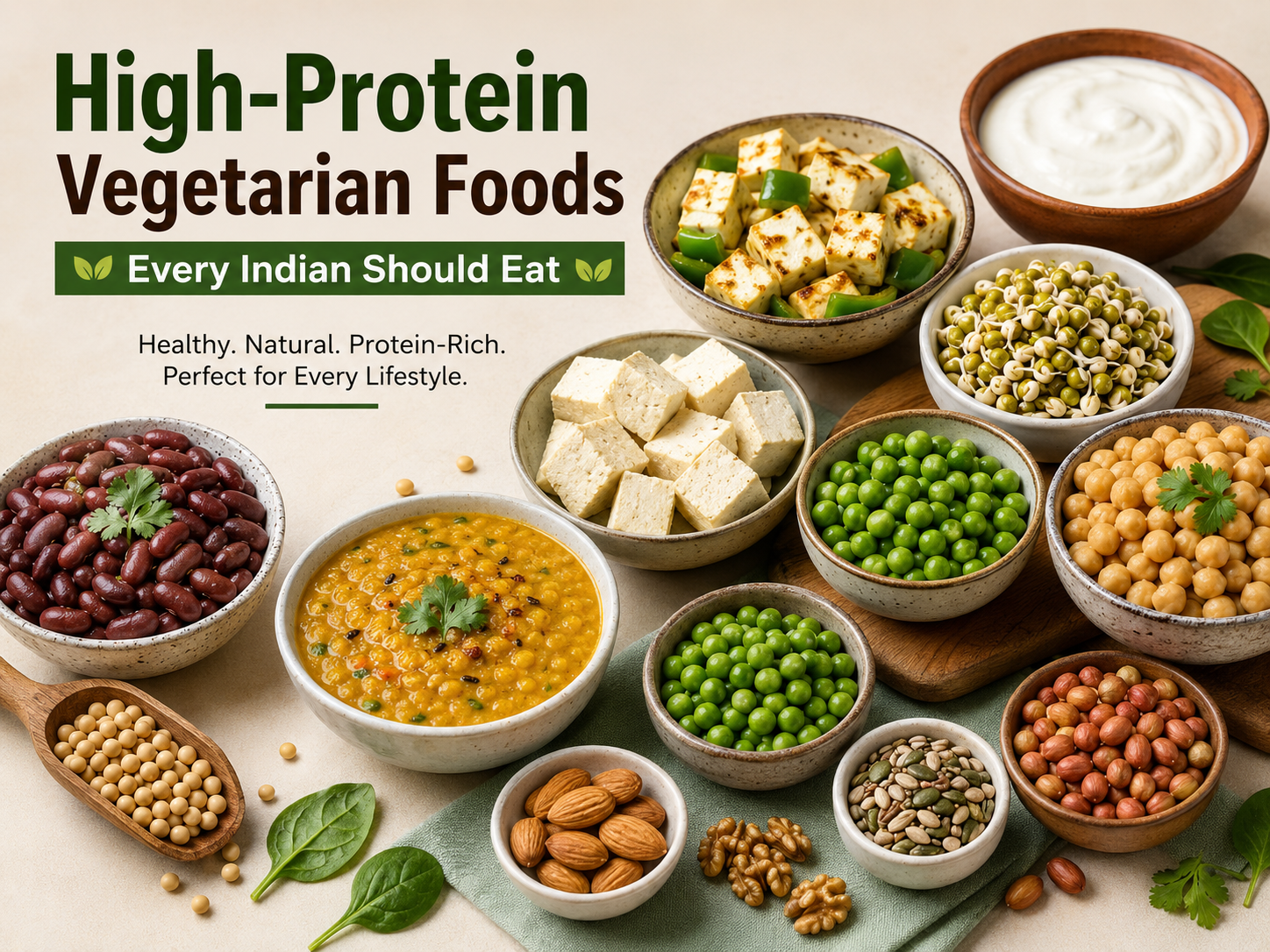
Open up most Indian kitchens and the protein’s already there, sitting in the pantry, waiting. Dal. Paneer. Soy. Chickpeas. Curd. Nuts. Seeds. None of this is exotic or hard to find, it’s just a matter of whether meals actually get built around it or whether it sits there half-used while rice and roti take up the whole plate.
That’s really what this comes down to. High Protein Vegetarian Foods India already has in abundance don’t require meat or expensive supplement tubs to make a real difference. It’s not about piling more food onto the plate either. It’s about making sure something protein-solid shows up in each main meal, on purpose, instead of by accident.
Why Protein Actually Matters
Protein does a lot of quiet, unglamorous work. Muscles need it to stay maintained. Tissue repair leans on it. Hair and skin depend on it more than people realize. It’s tangled into a bunch of bodily functions nobody thinks about until something starts feeling a bit off.
There’s this idea floating around that vegetarian diets just can’t deliver enough protein. Not really true though. The real issue is usually meal planning, not the diet itself. A plate that’s mostly rice, roti, vegetables, and maybe some potatoes will have a bit of protein in it, sure, but probably not enough to actually call the meal protein-focused in any meaningful sense.
Throw dal, beans, paneer, curd, soy, or seeds into that same plate and suddenly things shift. For vegetarians across India, the traditional stuff already does most of the heavy lifting. Dal-roti. Rajma-rice. Chole. Paneer sabzi. Curd with meals. None of it’s fancy, and none of it needs to be, it’s already contributing real protein to the day.
Best High Protein Vegetarian Foods India Has to Offer
Dal and Lentils
Dal is probably the easiest protein win going, honestly. Moong dal, masoor dal, toor dal, chana dal, urad dal, each one shows up in different dishes, and none of them ask much effort in return.
A bowl of dal with roti or rice is cheap, filling, and doesn’t demand much from anyone. Switching between different dals through the week keeps things from getting repetitive too, which matters more than people give it credit for.
Moong dal tends to be the favorite in a lot of households, mostly because it’s light and works in so many forms, as dal, khichdi, chilla, even sprouted for something different.
Paneer
Paneer’s a genuinely convenient protein source, especially on days that call for something more substantial than a plain vegetable dish.
Curries, wraps, salads, sandwiches, bhurji, grilled on its own, paneer slots into all of it. Calcium and other nutrients come along for the ride too, not just protein.
Preparation makes a real difference though. Paneer cooked with vegetables and a moderate amount of oil is a smarter everyday choice than the heavily fried versions, even if those show up occasionally and taste great doing it.
Soybeans and Soy Products
Soy might be the strongest plant-based protein option available to vegetarians, full stop. Soy chunks, tofu, soybeans, and other lightly processed soy foods work into Indian cooking without much fuss.
Soy chunks do well in pulao, curries, or mixed vegetable dishes. Tofu can often replace paneer directly in a recipe without needing much adjustment at all.
Because soy delivers a solid protein punch in fairly small portions, it’s especially useful for anyone trying to raise their intake without every meal turning into a mountain of food.
Chickpeas
Chickpeas, or chana, are already deeply woven into Indian cooking. Chole. Salads. Chaat. Mixed vegetable dishes. Chana shows up basically everywhere once you start looking.
Kabuli chana and kala chana both pull their weight here. Kala chana especially tends to get eaten simply, as a snack or breakfast, once it’s soaked and cooked properly.
There’s fibre in there too, and that’s a big part of why chickpeas are so satisfying, meals built around them tend to keep people full for a lot longer than the rice-and-roti equivalent.
Rajma
Rajma deserves real credit in a protein-focused vegetarian diet, not just a reputation as weekend comfort food.
It works well with rice, roti, or vegetables. Since it’s carrying fibre and carbohydrates alongside the protein, it can genuinely stand as a complete meal on its own, not just a side dish tagging along behind something else.
The classic rajma-chawal combination gets even more balanced with a vegetable dish and some curd or salad added in.
Greek Yogurt and Curd
Dairy makes hitting protein goals a lot easier for most vegetarians. Greek yogurt generally carries more protein than regular curd, though the exact numbers shift depending on the brand and how it’s made.
Curd’s an easy, low-effort addition to lunch or dinner, and it works fine with rice, roti-based meals, or stuffed parathas.
For anyone eating dairy regularly, unsweetened varieties tend to be the more practical everyday pick over the flavored ones carrying a lot of added sugar.
Peanuts
Peanuts are cheap, everywhere, and simple to fold into Indian meals. Protein, healthy fats, calories, all in one small handful, which makes them genuinely useful when something nutrient-dense is needed without much effort.
Roasted plain, mixed into poha or upma, blended into chutneys, or tossed into homemade snacks, peanuts move around a plate pretty easily.
They’re calorie-dense though, so portion size still matters, particularly for anyone keeping an eye on overall calorie intake for the day.
Green Peas
Green peas don’t get nearly the credit dal or paneer do, but they’re still pulling real weight in a lot of everyday meals.
Pulao, matar paneer, vegetable curries, poha, soups, salads, peas fit into all of it without needing much extra thought.
Pairing peas with other protein-rich ingredients turns a fairly ordinary dish into something a lot more nutritious and satisfying.
Sprouts
Sprouted moong and other legumes tend to be popular with anyone chasing lighter, protein-forward meals.
They work well in salads, chaats, sandwiches, or breakfast bowls. A squeeze of lemon, some tomatoes, onions, coriander, and a bit of spice turns sprouts into something quick and genuinely tasty, not just health food eaten out of obligation.
Worth a quick mention here, food hygiene matters a fair bit when preparing sprouts at home, especially if they’re going to be eaten raw.
Nuts and Seeds
Almonds, walnuts, pumpkin seeds, sunflower seeds, chia seeds, flaxseeds, sesame seeds, this whole group adds protein plus a bunch of other nutrients to a vegetarian diet.
Sprinkle them over curd, oats, salads, smoothies, or homemade snacks. Seeds especially are easy to use, since even a small spoonful adds real nutritional value without needing an entire recipe built around it.
Putting an Actual Plate Together
Knowing which foods carry protein is one thing. Building real meals around that knowledge is where it actually matters.
A simple plate might be dal or rajma, roti or rice, a seasonal vegetable, curd, and a salad. Or paneer or tofu alongside vegetables and roti, something along those lines.
For breakfast, moong dal chilla with curd, besan chilla, sprouts, or vegetable poha with peanuts all beat a breakfast built entirely on refined carbohydrates by a wide margin.
None of this means cutting rice, roti, or potatoes out completely, and honestly nobody’s asking anyone to. It’s about building meals with a sensible mix, protein, carbs, vegetables, healthy fats, fibre, all showing up together rather than one food group dominating the whole plate.
High Protein Vegetarian Foods India: Easy Meal Ideas
Eating more protein doesn’t call for complicated recipes or a total kitchen overhaul.
Breakfast could be moong dal chilla with curd, or besan chilla with a paneer filling. Lunch could be dal with roti, a vegetable sabzi, salad, and curd, a pretty ordinary combination that already does the job. Rajma or chole with rice and vegetables works just as well.
For an evening snack, roasted chana, peanuts, sprouts chaat, or unsweetened Greek yogurt all get the job done. Dinner might be tofu or paneer with vegetables and roti, or a mixed dal alongside a vegetable side.
Small shifts like these make a vegetarian diet noticeably more protein-conscious without turning meal prep into some kind of chore.
Protein Needs Aren’t Identical for Everyone
How much protein someone actually needs isn’t fixed across the board. Age, body size, activity level, personal goals, and overall health all factor into it.
Someone exercising regularly, or working on building and maintaining muscle, probably needs more than someone living a fairly sedentary life. Older adults especially benefit from paying closer attention to protein intake, since holding onto muscle mass becomes more important with age, not less.
Rather than blindly chasing a high-protein trend because it’s popular right now, it’s worth actually thinking through individual needs first. Anyone dealing with a specific medical condition should talk through any major dietary change with a qualified healthcare professional before making it.
A Few Common Mistakes
One mistake that comes up a lot is assuming any vegetarian meal automatically counts as protein-rich. It doesn’t, not without some actual intention behind it.
Another is leaning too hard on packaged protein products while skipping traditional foods almost entirely. Protein powders and packaged options have a role for some people, sure, but they’re not essential for everyone, not even close.
It’s also surprisingly easy to overdo calorie-dense foods like nuts, seeds, cheese, and peanut butter. They’re nutritious, no argument there, but they’re also fairly energy-heavy, so portion size still counts even with the “healthy” foods.
And variety matters more than people expect going in. Leaning on the same single food every single day gets old fast, and rotating between dals, beans, soy, dairy, nuts, and seeds through the week just makes for a better, more balanced diet in the long run.
About New Indian Statement
New Indian Statement focuses on practical, useful content built around what actually matters to everyday Indian readers. Nutrition happens to be an area where people run into a lot of conflicting advice, trendy diets, and claims that oversimplify things that aren’t actually that simple to begin with.
Through pieces like this one on High Protein Vegetarian Foods India, the aim is making everyday topics easier to understand and more relevant to how people actually live day to day. Healthy eating doesn’t need to be treated as something complicated or expensive, the focus stays on choices people can realistically fit into their normal routine without a major life overhaul.
Traditional Indian foods already bring a huge range of nutrition to the table. The point of content like this is helping readers see how these foods actually fit into a balanced lifestyle, and how small, consistent choices support better nutrition over time, not overnight.
Final Thoughts
A vegetarian diet really doesn’t have to fall short on protein. Indian cuisine already offers plenty of affordable, familiar options, dal, chickpeas, rajma, paneer, soy, curd, peanuts, sprouts, peas, nuts, and seeds among them, sitting right there in most kitchens already.
The most useful approach is making protein a regular, built-in part of meals, rather than trying to cram it all in at the end of the day out of guilt. With a bit of planning, High Protein Vegetarian Foods India (6) can become a genuine everyday pattern instead of some temporary diet trend that fades out in a few weeks like most of them do.
New Indian Statement aims to help readers find practical, usable information on nutrition and other everyday subjects, keeping things easy to understand and genuinely relevant to Indian life.
Frequently Asked Questions
What are the best vegetarian sources of protein in India?
Dal, paneer, soy, tofu, chickpeas, rajma, curd, Greek yogurt, sprouts, peanuts, peas, nuts, and seeds are among the most useful vegetarian protein sources widely available across India.
Can vegetarians get enough protein without supplements?
Yes. A varied diet built around legumes, dairy, soy foods, nuts, seeds, and similar protein-containing foods can meet most people’s needs on its own. Supplements might help in specific situations, but they’re not automatically necessary for everyone.
Is paneer good for a high-protein vegetarian diet?
Yes, particularly for vegetarians who eat dairy regularly. It carries fat and calories alongside the protein though, so portion size and preparation method should fit the person’s broader dietary goals.
Which dal has the most protein?
Different dals carry different protein amounts depending on the variety and serving size. Moong, masoor, urad, chana, and toor dal all contribute meaningfully to daily protein intake.
Are chickpeas and rajma healthy?
Yes. Both bring protein, carbohydrates, fibre, vitamins, and minerals to the plate, and both fit naturally into a balanced vegetarian diet when prepared sensibly.
What can vegetarians eat for a protein-rich breakfast?
Moong dal chilla with curd, besan chilla, sprouts, tofu or paneer dishes, and yogurt with nuts and seeds are all practical, low-effort breakfast options.
Are nuts a good source of vegetarian protein?
Yes, alongside healthy fats and other nutrients. They’re calorie-dense though, so moderate portions generally make more sense than large handfuls eaten without thinking.
How reliable are High Protein Vegetarian Foods India as a long-term eating pattern, not just a short-term fix?
Genuinely reliable, since they’re built on foods already part of everyday cooking rather than anything trend-driven or hard to sustain past a few weeks.
Why does High Protein Vegetarian Foods India focus on traditional dishes instead of newer packaged options?
Because traditional dishes like dal, rajma, and paneer sabzi already deliver strong nutrition without added cost or unfamiliar ingredients, making them easier for most households to actually keep up with.