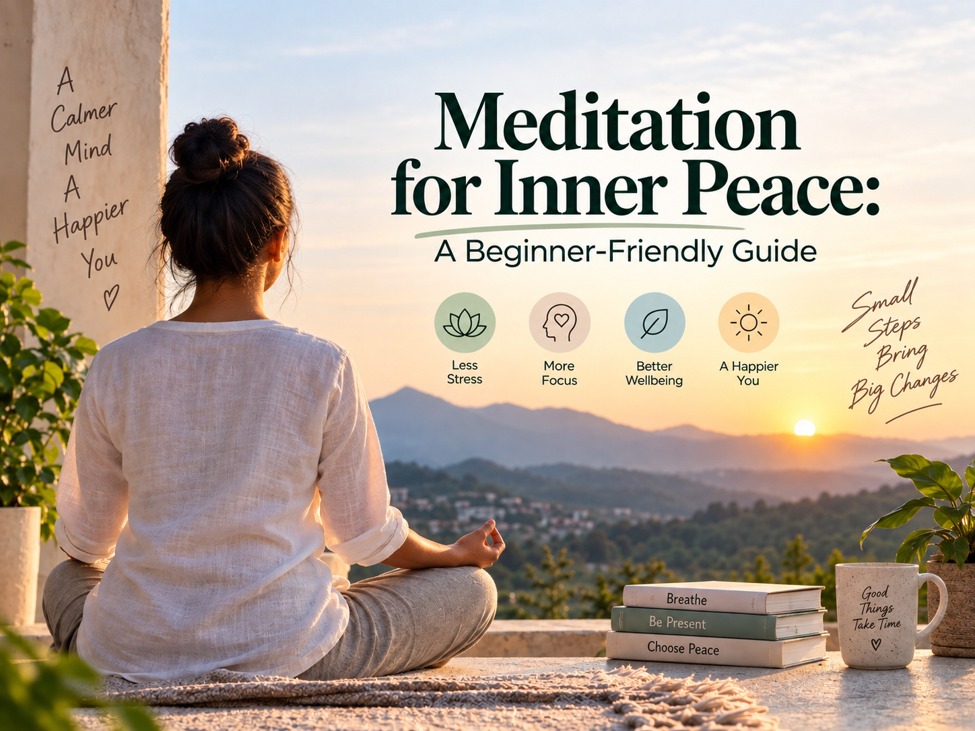
Meditation for Inner Peace: A Beginner-Friendly Guide
Quiet’s hard to come by lately. Work, social media, family stuff, bills, an endless scroll of information nobody asked for, it all wears the mind down even when the body’s just sitting on a couch doing nothing. That’s basically why meditation’s had such a comeback, it’s simple, it’s cheap, and it actually gives people a way to slow down for a minute.
No special room needed. No gear. No years of practice either. A few minutes a day is genuinely enough to start. For someone brand new to this, meditation for inner peace beginners can be as basic as sitting somewhere comfortable, breathing slow, paying attention to right now instead of everything else.
The goal was never silencing every thought. It’s noticing thoughts without getting dragged along by them.
What is meditation, actually?
Training attention, mostly. You focus on one thing, breath, a sound, a phrase, sensations in the body, doesn’t matter much which. Mind wanders off, you bring it back. That’s genuinely most of it.
Sounds too simple to matter. Isn’t though. Most people spend huge chunks of the day either stuck on yesterday or anxious about tomorrow. Meditation just gives the mind a chance to actually sit with right now for once.
Different forms exist, breath work, guided visualization, mindfulness, mantras, body scans. Beginners don’t need all of it at once. Basic breathing usually covers it fine to start.
How this actually helps with inner peace
Inner peace isn’t a problem-free life, worth saying clearly. Hard stuff still happens. Responsibilities don’t vanish. Curveballs still come.
What changes, mostly, is how you respond to all that. Regular practice makes you notice your own reactions a bit faster, something frustrating happens, and you catch the reaction before acting on it instead of after.
Small pause. Bigger difference than it sounds like.
For anyone exploring meditation for inner peace beginners specifically, worth knowing upfront, results don’t show fast. It’s a skill, like learning anything else. Consistency matters way more than intensity here.
What beginners actually notice
A calmer mind, usually first. Thoughts pile up fast normally, meditation just carves out a few minutes away from that noise. You’ll still think things while meditating, completely normal, but you learn slowly you don’t need to chase every single one.
Better self-awareness too. You start noticing emotions, physical sensations, thought patterns you hadn’t clocked before. Helps you understand yourself a bit better, genuinely.
Focus improves as well. Everything’s competing for attention these days, phones, notifications, emails, whatever. Meditation’s basically practice at bringing focus back to one thing repeatedly.
A calmer daily rhythm too, even five minutes carved out creates a real break in the day. Morning works for some, evening for others. Whatever you’ll actually keep doing is the right time.
And emotional balance, you start catching irritation or worry earlier, before it fully takes over. Doesn’t erase the emotion. Just gives you a beat of space before reacting to it.
A basic five-minute practice to start
Don’t make this complicated if you’ve never done it.
Find somewhere quiet, chair, cushion, floor, whatever. No cross-legged requirement, comfort matters more than posture.
Relax the body. Back reasonably straight, not stiff. Shoulders down. Hands resting in your lap. Eyes closed, or slightly open and lowered, whichever feels right.
Notice your breathing. Air in, air out, chest or belly moving. No forcing it, no making it dramatic, just noticing what’s already happening.
Mind wanders, often fast, work, food, some conversation, whatever’s on the to-do list. Totally normal. Notice it, bring attention back to breath, gently, no self-criticism needed.
After five minutes, pause before opening your eyes. Notice how the body feels. One or two comfortable breaths, then back to the day. Solid starting point for meditation for inner peace beginners, nothing more elaborate required.
How long should beginners actually go for?
No hour required, not close. Five minutes covers the first several sessions fine. Once it feels okay, stretch it, 10, 15, 20 minutes over time.
Consistency beats forcing a long session. Five minutes daily usually sticks better than 45 minutes once a week that you end up dreading. Habit, not a perfect performance you need to nail.
What if the thoughts won’t stop?
Common concern, probably the most common one honestly. People sit down, think “I’m failing at this because my mind won’t quiet,” and quit right there.
Having thoughts isn’t failing though. Minds generate thoughts, that’s the whole job of a mind. Meditation was never about emptying it out completely. It’s noticing when attention drifts, bringing it back, again and again, as many times as it takes.
Like watching clouds cross the sky. You see them. Don’t need to chase every single one. Thoughts work the same way.
Mistakes that trip beginners up
Expecting instant results is a big one. One session might feel great. Not every session will, and that’s fine, some days are just harder.
Trying too hard’s another. Not a competition. Forcing the mind quiet through sheer will doesn’t work, gentle attention does.
Comparing yourself to others too. Someone else meditates 30 minutes easily, you’re stuck at five, doesn’t mean they’re better at it. Everyone’s experience is genuinely different here.
Giving up after a few days, probably the most common trap. Habits take time to build. Miss a day, just start again tomorrow, no guilt required.
Actually building the habit
Tie it to something you already do, right after brushing your teeth, or right before bed. Keep the space simple, chair, cushion, quiet corner, that’s genuinely enough.
A timer helps too, no need to keep glancing at the clock. And keep it realistic, if 20 minutes doesn’t fit your life, start with five.
The point of meditation for inner peace beginners was never perfection. Just a small daily space to slow down and notice things a bit more.
Bringing it into everyday life
Doesn’t have to stay confined to the sitting-quietly part. Drinking tea, actually notice the warmth instead of grabbing the phone automatically. Walking somewhere, actually notice the surroundings. Talking with someone, actually listen instead of drafting your reply in your head while they’re mid-sentence.
Small shifts, but they turn ordinary moments into little bits of practice. Over time meditation becomes less about escaping the day and more about actually being in it.
A simple 7-day starting plan
Day one, five minutes, focus on breath. Day two, repeat it. Day three, five minutes noticing breath plus body sensations. Day four, practice observing thoughts without reacting. Day five, try a short guided session. Day six, stretch to 10 minutes if it feels okay. Day seven, reflect on the week, decide what to keep going with.
Just a starting point, adjust however actually fits your life.
Frequently asked questions (FAQs) FAQs
Is meditation actually hard for beginners?
Not really. The basic practice is simple. The hard part is sticking with it and not getting annoyed when the mind wanders, which it will.
How long should a beginner meditate?
Five minutes is genuinely enough to start. Stretch it out gradually as it feels more familiar.
Does meditation actually help with everyday stress?
It can build awareness of reactions to stress, yes. Worth treating as a wellbeing habit though, not a substitute for professional mental health care.
Do I need to sit cross-legged?
No. Chair, cushion, floor, whatever keeps you comfortable and reasonably alert.
What do I do when a distracting thought shows up?
Notice it without judging yourself, gently bring attention back to breath or whatever the focus point is.
Morning or evening, which is better?
No universal answer. Whatever fits your actual routine and you’ll actually keep up.
Can beginners do meditation for inner peace daily?
Yes, genuinely. A short daily practice builds consistency better than occasional long sessions. Even a few minutes gives you a real pause.
Final thoughts
Inner peace doesn’t need a dramatic overhaul. Sometimes it’s just sitting quietly, paying attention to one breath at a time.
For anyone starting meditation for inner peace beginners, keep expectations realistic. Mind wanders. Some sessions feel good, others don’t. That’s just how learning this works, not a sign of doing it wrong.
Start small. Stay patient. Let it build naturally. With practice, those few quiet minutes become genuinely valuable, a small pause in a loud world to slow down and reconnect.
New Indian Statement keeps sharing accessible content around everyday topics like this, helping readers find a bit more meaning and awareness in daily life.